
As an English blog influencer, I often hear from you, my incredible readers, about the deepest concerns weighing on your minds. There’s a topic that touches us all, something profoundly human and, unfortunately, far too common: the aftermath of crime.
When someone experiences a crime, it’s not just about the event itself; it’s about the long road to recovery, the struggle to feel safe again, and the overwhelming need for support that truly understands.
I’ve personally seen and heard stories that truly break your heart, highlighting how vulnerable individuals can be when their world is shattered. It’s a journey filled with complex emotional, physical, and even financial hurdles, often leaving survivors feeling isolated and overwhelmed.
But here’s the thing: while the challenges are immense, the landscape of crime victim protection is constantly evolving, thank goodness! We’re seeing some truly innovative approaches emerging, from advanced trauma-informed care and specialized support programs to the groundbreaking use of technology that helps survivors connect with resources more easily than ever before.
Whether it’s through new apps designed for discreet help or enhanced advocacy efforts, the push for stronger rights and more comprehensive, accessible services for *all* victims is gaining serious momentum.
Understanding these vital protections isn’t just about awareness; it’s about empowerment, about knowing where to turn, and about rebuilding lives with dignity and unwavering support.
Join me as we dive deep into the crucial world of crime victim protection and explore how to ensure no one faces this journey alone. Let’s get into the specifics right now!Hey there, amazing readers!
As your go-to blog influencer, I’m always striving to bring you genuinely helpful information on topics that truly matter. Today, we’re tackling something incredibly sensitive yet critically important: crime victim protection.
It’s a harsh reality that many people, perhaps even someone you know, will unfortunately experience a crime at some point. When that happens, the aftermath can be devastating, extending far beyond the initial incident to encompass profound emotional, physical, and even financial struggles.
I’ve heard countless stories that underscore how challenging it can be to navigate the justice system, secure necessary support, and simply feel safe again.
It’s a journey no one should ever have to walk alone, yet all too often, victims find themselves lost in a maze of bureaucracy and uncertainty. But here’s where the good news comes in!
The world of victim advocacy is constantly evolving, with dedicated professionals and cutting-edge technology working to reshape how we protect and support those affected by crime.
We’re seeing fantastic innovations like trauma-informed care becoming standard, specialized programs for diverse victim populations, and a significant push for more accessible and equitable compensation.
Think about how digital tools and advanced communication platforms are now connecting survivors to immediate help and vital information, making a huge difference in real-time.
This isn’t just about legal frameworks; it’s about rebuilding lives, fostering resilience, and ensuring that every individual has the resources to heal and reclaim their sense of security.
It’s about ensuring that victim’s rights are not just words on paper, but a lived reality. I truly believe that by understanding these crucial protections and the systems designed to help, we can all contribute to a more compassionate and effective support network.
Let’s delve deeper into how crime victim protection truly works and what you need to know.
When Your World Gets Rocked: Immediate Steps and Support

When something truly terrible happens, something that shakes your sense of security to its core, the immediate aftermath can feel like a blur. It’s disorienting, frightening, and often, you’re just trying to process what just happened.
I’ve heard too many stories from individuals who, in that initial chaos, felt completely lost, unsure of what to do next or even who to trust. It’s a natural reaction to a deeply unnatural situation.
But here’s the thing I want you to remember: even in the darkest moments, there are steps you can take, and there are people ready to help. Taking those first few proactive steps, even if they feel tiny, can make a huge difference in regaining some control and setting yourself on the path to healing.
It’s about creating a foundation of safety and understanding, even when everything around you feels unstable. Knowing what to expect and what your options are right away can be a true lifeline, helping to reduce that overwhelming sense of vulnerability.
I’ve personally seen how vital it is for survivors to understand these initial protections, not just for their physical safety, but for their mental and emotional well-being too.
Don’t ever underestimate the power of taking that first breath and knowing there’s a system designed to support you.
First Responders and Your Initial Rights
When police or emergency services arrive, it can feel like a whirlwind. They’re asking questions, taking notes, and it’s easy to feel overwhelmed. But this is a crucial moment for you to assert your rights and understand what’s happening.
In the U.S., for instance, every state has laws protecting victims, and these rights often begin the moment you interact with law enforcement. You have the right to be treated with dignity and respect, to receive information about available services, and often, to have a victim advocate present.
I always encourage people to ask questions if they don’t understand something; it’s okay to slow things down a bit. Remember, you’re not just a witness or a report; you are a person who has been through a traumatic event, and your well-being is paramount.
Reporting a crime is incredibly brave, and you deserve to feel supported through every step of that process. Sometimes, just having someone explain the next steps, like how to get a copy of the police report or what to expect in the coming days, can bring a surprising amount of comfort.
Understanding Emergency Shelters and Safety Plans
For some, especially in cases of domestic violence or intimate partner violence, returning home immediately might not be safe. This is where emergency shelters and safety plans become absolutely critical.
These resources are designed to provide immediate, secure housing, often anonymously, along with counseling and other support services. Creating a safety plan, even a simple one, can be incredibly empowering.
It involves thinking about things like who you can call in an emergency, where you can go, and what important documents you might need to have ready. I’ve spoken with so many survivors who told me that having a concrete plan, even if they never had to use it, helped them feel a sense of agency during a time when they felt utterly powerless.
These shelters aren’t just buildings; they’re havens, staffed by compassionate professionals who understand the complexities of trauma and are dedicated to helping you rebuild your life.
Don’t hesitate to reach out to local domestic violence hotlines or victim services agencies; they can guide you through these options discreetly and safely.
Beyond the Bruises: Tending to the Invisible Wounds
Experiencing a crime isn’t just a physical event; it leaves deep, often invisible, wounds that can take a long time to heal. The emotional and psychological impact can be profound, manifesting as anxiety, depression, PTSD, or a persistent feeling of unease.
I’ve heard countless stories where the physical injuries healed relatively quickly, but the fear, the nightmares, the sense of betrayal, lingered for years.
This is why addressing the emotional toll is just as, if not more, important than addressing any physical injuries. It’s about recognizing that your mind and spirit have also been impacted, and they need just as much care and attention.
Ignoring these invisible wounds only allows them to fester, potentially leading to long-term struggles. Trust me, prioritizing your mental and emotional recovery isn’t a luxury; it’s a necessity for truly moving forward.
It’s about reclaiming your inner peace and ensuring the trauma doesn’t define your future.
The Power of Trauma-Informed Care
Trauma-informed care is a game-changer, and honestly, it’s something I wish everyone knew about. It’s an approach that understands and recognizes the widespread impact of trauma and how it can affect an individual’s behavior, relationships, and overall well-being.
Instead of asking “What’s wrong with you?”, professionals trained in trauma-informed care ask “What happened to you?”. This shift in perspective is monumental.
It creates a safe, trusting environment where survivors feel understood, respected, and empowered to participate in their own healing journey. I’ve personally seen how this approach can transform a survivor’s experience, making them feel heard and validated rather than re-traumatized by insensitive questions or processes.
It means understanding that certain reactions are normal responses to abnormal situations, and working with you, not against you, on your path to recovery.
Connecting with Mental Health Professionals
Seeking support from mental health professionals isn’t a sign of weakness; it’s a profound act of strength and self-care. Therapists, counselors, and psychologists specializing in trauma can provide invaluable tools and strategies to help process the event, manage symptoms, and develop coping mechanisms.
Whether it’s cognitive behavioral therapy (CBT), eye movement desensitization and reprocessing (EMDR), or other therapeutic modalities, these professionals are equipped to guide you through the complex emotions that arise after a crime.
I remember hearing from a survivor who initially resisted therapy, thinking they could “handle it” on their own. But after finally reaching out, they told me it was like a huge weight had been lifted, realizing they didn’t have to carry that burden alone anymore.
Finding the right therapist might take a little time, but it’s an investment in your long-term well-being that is absolutely worth it. Don’t be afraid to interview a few before settling on someone you feel comfortable and connected with.
Support Groups: Finding Your Tribe
One of the most isolating feelings after a traumatic event is the sense that no one truly understands what you’re going through. This is where support groups can be incredibly powerful.
Connecting with other survivors who have faced similar challenges can create a profound sense of community, validation, and shared experience. It’s a space where you can speak freely without judgment, knowing that the people around you genuinely get it.
I’ve seen friendships form in these groups that last a lifetime, built on a foundation of empathy and mutual understanding. Sharing your story, or simply listening to others, can be a therapeutic experience in itself, reminding you that you are not alone and that healing is possible.
These groups offer a unique blend of emotional support, practical advice, and a feeling of belonging that is crucial for recovery.
Picking Up the Pieces: Navigating Financial Aftermath
Let’s be real, while emotional and physical recovery are paramount, the financial fallout of a crime can be absolutely devastating and often overlooked.
It’s an added layer of stress that no one needs when they’re already trying to heal. I’ve witnessed firsthand how medical bills, lost wages, property damage, and even funeral expenses can pile up, creating an unbearable burden for survivors and their families.
It’s a harsh reality that many people don’t anticipate, adding insult to injury during an already traumatic time. Navigating this labyrinth of financial recovery can feel like a full-time job in itself, and it’s easy to feel overwhelmed and powerless.
But please know, there are resources and avenues available to help ease this burden. Understanding these options is not just about money; it’s about reducing stress so you can focus on what truly matters: your recovery.
Victim Compensation Funds: What You Need to Know
Many states in the U.S. have victim compensation programs designed to help alleviate the financial strain caused by crime. These funds can cover a wide range of expenses, including medical and counseling costs, funeral expenses, lost wages, and even crime scene cleanup.
eligibility criteria vary by state, but generally, the crime must be reported to law enforcement, and you usually have a specific timeframe to file a claim.
I’ve heard stories where these funds were an absolute lifesaver, providing a much-needed safety net when everything else felt like it was falling apart.
It’s not about making you whole financially – no amount of money can truly replace what was lost – but it’s about offering practical support to help you get back on your feet.
Don’t assume you won’t qualify; reach out to your local victim services agency or state victim compensation board to understand the specific requirements and how to apply.
They are there to guide you through the process, which can sometimes be complex, but their assistance is invaluable.
Dealing with Lost Wages and Medical Bills
Beyond direct compensation, dealing with lost wages and mounting medical bills can be a significant challenge. If you’ve had to miss work due to injuries, court appearances, or therapy, the financial impact can be substantial.
It’s worth exploring short-term disability options through your employer or state programs, if available. For medical bills, don’t be afraid to negotiate with providers or seek assistance from hospital financial aid departments.
Many hospitals have programs for uninsured or underinsured patients, especially for victims of crime. I’ve personally seen how a little persistence and knowing who to ask can make a big difference in reducing or managing these costs.
Additionally, victim advocates can often help connect you with pro bono legal services or financial counseling that can offer guidance on managing debt and navigating insurance claims.
Remember, you don’t have to face these complex financial hurdles alone.
| Type of Support | Description | Where to Find Help |
|---|---|---|
| Medical/Counseling Costs | Covers expenses for physical injuries, therapy, mental health support. | State Victim Compensation Boards, Insurance Providers, Local Mental Health Services |
| Lost Wages | Reimbursement for income lost due to injury or crime-related absence. | State Victim Compensation Boards, Employer HR, Disability Programs |
| Property Damage/Loss | Assistance with repairing or replacing property damaged or stolen during a crime. | State Victim Compensation Boards, Homeowner’s/Renter’s Insurance |
| Relocation/Safety Costs | Funds for emergency housing, lock changes, or temporary relocation if safety is an issue. | Local Victim Services Agencies, Domestic Violence Shelters |
Empowerment Through Knowledge: Your Legal Protections
Understanding your legal rights as a survivor is one of the most powerful tools you can possess. It transforms you from a passive recipient of events into an informed participant in your own recovery journey.
For a long time, the focus was primarily on the perpetrator, but thankfully, that has shifted significantly towards recognizing and upholding victims’ rights.
I’ve personally witnessed the immense difference it makes when survivors are educated about the legal processes and protections available to them. It’s not just about what happens in a courtroom; it’s about every interaction you have with the justice system, from reporting the crime to potential restitution and beyond.
Feeling knowledgeable about your rights can significantly reduce anxiety and help you feel more in control during what is often an incredibly overwhelming period.
It’s about leveraging the system to work for you, not against you, ensuring your voice is heard and your needs are addressed.
Understanding Your Rights in the Justice System
Across the United States, victims of crime are afforded a range of rights, often enshrined in state and federal law. These can include the right to be present at and heard during public proceedings, the right to information about the investigation and prosecution, the right to protection from the accused, and the right to restitution.
I always tell people to connect with a victim advocate or an attorney who specializes in victim rights early on. They can help you navigate the complexities of court proceedings, explain legal terminology, and ensure your rights are being upheld.
It’s not uncommon for survivors to feel intimidated by the legal system, but having someone in your corner who understands the ins and outs can make all the difference.
Knowing that you have a voice and that the system is designed, in part, to protect you, can be incredibly validating.
Restraining Orders and Personal Safety
For those facing ongoing threats or harassment, understanding the process of obtaining a restraining order (sometimes called a protective order) is absolutely vital for personal safety.
These legal orders prohibit an individual from contacting or approaching another person and can provide a crucial layer of protection. The specific requirements and procedures vary by state, but generally involve filing a petition with the court and presenting evidence of harassment, threats, or abuse.
I’ve heard many stories where securing a restraining order provided a much-needed sense of relief and safety, creating boundaries that were previously non-existent.
It’s a legal tool designed to keep you safe, and understanding how to effectively use it can be life-changing. If you’re considering this step, a victim advocate or legal aid service can provide invaluable guidance and support through the application process.
The Digital Lifeline: Tech Tools for Survivors
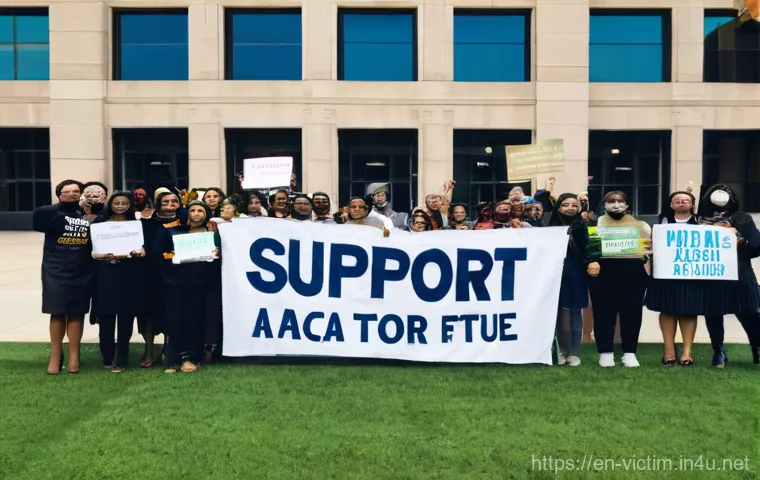
In our increasingly connected world, technology isn’t just for social media or online shopping; it’s rapidly becoming an indispensable lifeline for crime victims.
I’ve been incredibly impressed by the innovative ways tech is being leveraged to provide immediate assistance, discreet support, and crucial information to survivors who might otherwise feel completely isolated.
It’s truly amazing to see how a device that fits in your pocket can connect you to help when you need it most. For those who might be in dangerous situations where speaking openly isn’t an option, digital tools offer a silent yet powerful means of reaching out.
This evolution means that support is often just a tap or a click away, making resources more accessible than ever before, especially for individuals who face geographical or social barriers to traditional support systems.
It’s about empowering survivors with tools that fit into their modern lives, recognizing that safety and support need to be dynamic and responsive.
Apps and Online Platforms for Discreet Help
There’s a growing array of mobile apps and online platforms specifically designed to assist crime victims, particularly those experiencing domestic or sexual violence.
Many of these apps offer features like discreet emergency calling, secure journaling to document incidents (which can be vital evidence), and quick access to local resources such such as shelters, hotlines, and legal aid.
Some even have “panic button” functionalities that can alert trusted contacts or emergency services with your location. I’ve personally seen how these tools can provide a crucial sense of security and a quiet way to seek help without alerting an abuser.
They’re built with survivor safety and privacy in mind, offering a level of discretion that traditional methods might not always provide. Exploring these options can be a proactive step towards creating a personal safety net, knowing that help is always within reach, silently waiting in your pocket.
Digital Advocacy and Information Hubs
Beyond immediate safety tools, the internet has become a massive hub for victim advocacy and information. Organizations dedicated to supporting survivors have robust websites packed with resources, FAQs, legal guides, and directories of local services.
These digital hubs serve as invaluable educational tools, helping survivors understand their rights, navigate complex legal systems, and connect with various forms of support.
I’ve often directed people to these online platforms, knowing they’ll find accurate, up-to-date information compiled by experts. It’s a testament to how the digital world can empower individuals with knowledge, breaking down barriers of access that might exist with traditional paper-based resources.
From understanding the nuances of victim compensation to finding specialized trauma therapists, these online communities and resources are truly making a difference in how information is disseminated and how survivors can find their way forward.
Building a Stronger Future: Advocacy and Policy Changes
While individual support is absolutely vital, true, lasting change often comes from broader advocacy efforts and policy reform. I deeply believe that for every survivor we help, we also have a responsibility to work towards a world where fewer people become victims in the first place, and where those who do are met with unwavering support.
This isn’t just about reacting to crime; it’s about proactively shaping a more compassionate and just society. I’ve seen incredible dedication from advocates who tirelessly push for better laws, more funding for victim services, and a greater understanding of trauma’s impact.
These efforts, often spearheaded by survivors themselves or their allies, are the driving force behind creating systemic improvements. It’s a continuous journey, but every piece of legislation passed, every public awareness campaign launched, brings us closer to a future where victim protection isn’t just a concept, but a deeply embedded societal priority.
The Role of Victim Advocates
Victim advocates are the unsung heroes in the landscape of survivor support. They are trained professionals who provide emotional support, practical assistance, and guidance through the criminal justice system.
They can help with everything from filing for victim compensation to navigating court proceedings, explaining legal jargon, and connecting survivors with counseling and other community resources.
I’ve heard countless survivors express profound gratitude for their advocates, often describing them as their anchor during a turbulent time. They don’t just offer information; they offer a human connection, a compassionate ear, and a steady hand.
Having a victim advocate by your side can significantly reduce the feeling of being overwhelmed and ensure that your voice is heard and respected throughout the entire process.
They truly embody the spirit of unwavering support.
How Grassroots Movements are Shaping Protection
Many of the significant advancements in victim protection didn’t start in legislative halls but on the ground, through grassroots movements. Survivors, their families, and dedicated community members have rallied, organized, and spoken out, demanding better support and stronger rights.
These movements often bring invaluable lived experience to the forefront, highlighting gaps in services and pushing for innovative, survivor-centered solutions.
I find these movements incredibly inspiring because they demonstrate the immense power of collective action and the resilience of the human spirit. They remind us that change is possible when people come together with a shared vision of a more just and supportive world.
From advocating for stronger laws against specific types of crime to pushing for more trauma-informed practices in our institutions, grassroots efforts are continuously reshaping and improving the landscape of victim protection.
Reclaiming Your Narrative: Finding Strength After Adversity
After experiencing a crime, it’s easy to feel like your story has been taken from you, defined by a traumatic event. But the incredible truth is that you have the power to reclaim your narrative, to define your own path forward, and to transform adversity into a source of profound strength.
This isn’t to say it’s easy – far from it. It’s a long, challenging journey, filled with ups and downs, good days and bad. I’ve seen so many survivors, after immense struggle, emerge not unscathed, but undeniably stronger, with a deeper understanding of their own resilience and a renewed sense of purpose.
It’s about consciously choosing to move from being a victim to becoming a survivor, and eventually, to thriving in your new reality. Your story doesn’t end with the crime; it evolves, and you are the author of its next chapters.
It’s about finding that inner spark again and letting it light your way forward.
Strategies for Long-Term Healing and Resilience
Long-term healing is a marathon, not a sprint, and it involves actively cultivating strategies for resilience. This might include continuing therapy, engaging in mindfulness practices like meditation or journaling, pursuing creative outlets, or finding healthy ways to express your emotions.
Building a strong support system of trusted friends, family, and professionals is also crucial. I’ve found that many survivors discover new passions or interests during their healing journey, channeling their experiences into advocacy or helping others.
It’s about recognizing that healing isn’t linear, and there will be good days and bad days, but consistently engaging in self-care and seeking appropriate support will build your emotional fortitude over time.
Remember, resilience isn’t about never falling; it’s about how you pick yourself up each time.
Turning Experience into Empowerment
One of the most powerful transformations I’ve witnessed is when survivors take their painful experiences and turn them into a force for good. This might involve becoming an advocate for other victims, volunteering for victim services organizations, or sharing their story to raise awareness and inspire change.
It’s about finding meaning and purpose in something incredibly difficult, transforming personal suffering into collective impact. While not every survivor chooses this path, for those who do, it can be an incredibly empowering and healing process.
It demonstrates that even after profound adversity, the human spirit has an extraordinary capacity for growth, compassion, and positive change. Your journey, no matter how challenging, can become a beacon of hope and strength for others, proving that even in the face of darkness, light can emerge.
Closing Thoughts
As we wrap up this discussion on navigating the aftermath of a crime, I truly hope you feel a little less alone and a lot more empowered. The journey to healing is deeply personal and undeniably challenging, but it’s a journey you don’t have to embark on by yourself. Remember, your resilience is far greater than you might realize, and there’s a vast network of support, from dedicated advocates to innovative tech tools, waiting to help you reclaim your peace and rebuild your life. Keep trusting your strength, and take each day as it comes, knowing that every step forward, no matter how small, is a victory.
Valuable Insights You Should Know
1. Always prioritize your immediate safety. Whether it means reaching out to emergency services, finding a secure shelter, or implementing a personal safety plan, your well-being comes first. Don’t hesitate to seek help; professionals are trained to assist you discreetly and effectively, ensuring you have a safe space to process and plan your next steps. It’s about securing your present so you can build a more stable future, and knowing these options upfront can truly be a game-changer in those critical moments.
2. Familiarize yourself with your rights as a victim. Many states offer robust victim compensation programs that can cover everything from medical bills and counseling to lost wages and property damage. These aren’t handouts; they are established resources designed to alleviate the financial burdens that often accompany a traumatic event. Connect with a victim advocate who can demystify the application process and ensure you receive the support you’re entitled to.
3. Invest in your mental and emotional health. The invisible wounds of trauma can linger long after physical injuries heal. Seeking trauma-informed therapy or joining a support group can provide invaluable tools and a compassionate community to help you process your experiences and develop healthy coping mechanisms. It’s a profound act of self-care and a vital step towards reclaiming your inner peace and emotional stability, recognizing that healing is a holistic process that encompasses mind, body, and spirit.
4. Leverage modern technology for enhanced safety and support. Innovative apps offer discreet emergency features, secure journaling, and quick access to local resources like hotlines and shelters, often with privacy as a top priority. These digital tools can be a silent lifeline, especially in situations where speaking openly isn’t safe, providing a constant connection to help and information right in your pocket. Staying informed about these tech solutions can significantly boost your sense of security and preparedness.
5. Consider how advocacy and community involvement can empower your healing journey. Many survivors find strength and purpose in turning their experiences into positive change, whether by volunteering, sharing their story, or supporting policy reforms. Engaging with grassroots movements or becoming a victim advocate yourself can transform personal adversity into collective empowerment, fostering a sense of control and meaning. This shared journey reminds you that your voice matters and can contribute to a safer, more supportive world for everyone.
Wrapping Things Up
To truly move forward after a life-altering event, remember that your personal agency is your greatest asset. While the path to recovery is unique for everyone, it is fundamentally about rediscovering your strength and charting a course that prioritizes your healing and well-being. Embrace the support systems available, from dedicated professionals and legal protections to the compassionate communities formed by fellow survivors. Your journey is a testament to the human spirit’s extraordinary capacity for resilience and hope. Keep nurturing that spark within you, for it holds the power to illuminate your future and inspire those around you. You are not defined by what happened to you, but by how you choose to rise.
Frequently Asked Questions (FAQ) 📖
Q: What kind of immediate support is available right after a crime, and where can victims turn for help in those critical first moments?
A: Oh, this is such a vital question, and it’s one I hear frequently. When a crime shatters someone’s world, the immediate aftermath can feel like pure chaos.
The first and most crucial step, if you or someone you know is in immediate danger, is always to contact emergency services – think 911 in the US, 999 in the UK, or your local equivalent.
Beyond that initial response, there’s a whole network of support designed to kick in right away. Many communities have crisis hotlines that operate 24/7, offering a safe and confidential space to talk, process, and get guidance on next steps.
I’ve personally seen how these hotlines can be a lifeline for individuals who feel completely lost and alone. They can help connect you with emergency shelter if your home isn’t safe, arrange for immediate medical care, and even guide you through the process of reporting the crime to law enforcement.
What’s truly amazing is the rise of trauma-informed care within these services. This means the professionals you interact with are trained to understand the profound psychological impact of trauma, ensuring that the support you receive is not just practical, but also deeply empathetic and tailored to minimize further distress.
They focus on creating a safe, supportive environment where survivors feel validated and respected, helping to rebuild a sense of control and empowerment right from the start.
Remember, you don’t have to carry this burden alone; there are people ready and waiting to help you navigate those overwhelming first hours and days.
Q: The financial burden after a crime can be immense. Is there any financial assistance or compensation available for victims, and how does one even begin to access it?
A: Believe me, I understand the financial strain that often follows a crime. It’s not just the emotional toll; there can be medical bills, lost wages from time off work, property damage, and even funeral expenses in the most tragic cases.
The good news is, most countries, including the U.S., Canada, the UK, and Australia, have programs designed to help alleviate this burden. In the United States, for example, every state has a Crime Victim Compensation (CVC) program, often funded through federal grants and fines from federal cases, not your tax dollars!
These programs are specifically set up to reimburse victims for many of these crime-related expenses. Think medical and dental costs, counseling services, lost income, and sometimes even things like crime scene clean-up or relocation costs if your safety is at risk.
I’ve seen how this can be an absolute lifeline for survivors struggling to piece their lives back together. The process typically involves an application to the victim compensation board in the state where the crime occurred.
It’s really important to inquire about eligibility requirements as they can vary, but generally, you’ll need to report the crime to the authorities and cooperate with the investigation.
Don’t hesitate to reach out to a local victim assistance program – they can be a huge help with the application process and answering any questions you might have.
It’s about easing your journey towards recovery, not adding more stress!
Q: Navigating the legal system feels incredibly daunting after experiencing a crime. What are my rights as a victim, and how can I ensure my voice is truly heard throughout the investigation and court process?
A: It’s totally natural to feel overwhelmed by the legal system, especially when you’re already dealing with the trauma of a crime. For so long, victims were often overlooked in the legal process, but thankfully, things are changing for the better!
You absolutely have rights, and understanding them is a powerful step towards regaining control. Across the US, Canada, the UK, and Australia, victims are generally afforded rights such as the right to be treated with dignity and respect, the right to information about your case (like prosecution updates and court proceedings), and crucially, the right to protection from the accused.
Many jurisdictions also empower you to provide a victim impact statement, allowing you to share how the crime has affected your life during sentencing or parole hearings.
This is huge because it ensures your experience is acknowledged. This is where victim advocates truly shine! These incredible professionals are your guides through this complex maze.
I’ve spoken with so many advocates who dedicate their lives to ensuring victims are supported. They can explain your rights, help you navigate police interviews, prepare you for court, and even accompany you to hearings.
They don’t represent you like a lawyer would, but they advocate for your interests and make sure your voice is heard every step of the way. They can also act as a liaison between you and law enforcement or prosecutors, providing updates and helping to ensure your concerns are addressed.
Having a victim advocate in your corner can make an enormous difference, transforming a terrifying experience into one where you feel supported and empowered.