Life throws unexpected curveballs, and sadly, for some, those curveballs come in the form of crime. The immediate aftermath is often a whirlwind of emotions, but the long-term impact on mental health can be incredibly profound and isolating.
I’ve personally observed how many people struggle silently with these invisible wounds, often long after physical scars have healed. It’s not just about coping with the past; it’s about rebuilding a future, finding your voice, and reclaiming your sense of safety and self.
Thankfully, there are dedicated places offering a beacon of hope for individuals navigating this incredibly difficult journey. These aren’t just sterile clinical facilities; they are evolving hubs of understanding, offering tailored, holistic support that truly looks at the whole person.
They’re making huge strides in connecting underserved communities and utilizing innovative, trauma-informed care models to provide everything from crisis intervention to long-term therapeutic and practical assistance.
If you’ve ever wondered where to turn for comprehensive care after a traumatic event, or simply want to understand the vital role these centers play in our communities, then stick around, because we’re about to dive deep into exactly what modern crime victim support centers offer and how they’re truly making a difference.
Navigating the Labyrinth of Recovery: A Guiding Light
When life throws those unexpected curveballs, especially in the form of a crime, the immediate aftermath can feel like an absolute blur. But what many don’t realize, and what I’ve seen firsthand, is that the journey to healing extends far beyond those initial shockwaves. It’s not just about patching up physical wounds; it’s about mending the invisible ones that often linger, whispering doubts and fears long after the incident itself. I remember a friend, after a home invasion, who appeared outwardly fine, but for months, every creak of the floorboards sent shivers down her spine. These centers aren’t just about crisis intervention; they’re about providing a sustained, guiding light through that labyrinth of recovery, acknowledging that healing is a process, not an event. They recognize the profound isolation that can accompany victimhood and strive to create a space where individuals feel seen, heard, and genuinely understood. It’s about empowering people to find their footing again, to rebuild their sense of safety, and crucially, to reclaim the narrative of their own lives. They offer a steady hand to help navigate the complex emotional landscape, providing a crucial sense of continuity and steadfast support when everything else feels uncertain.
Beyond Crisis: Understanding Comprehensive Care
Modern victim support centers have truly evolved beyond the basic, immediate response. They’ve shifted towards a more holistic, person-centered approach that considers every facet of an individual’s well-being. This means looking at mental health, yes, but also at physical health, social connections, and even practical needs like housing or employment. It’s a far cry from what many might imagine a ‘support group’ to be. What truly impressed me when I started digging into this was the sheer breadth of services now available. It’s not a one-size-fits-all model; instead, they tailor their assistance to meet the unique challenges each person faces. From the moment someone reaches out, they’re met with an understanding that their experience is unique, and their path to recovery will be, too. This comprehensive outlook ensures that no stone is left unturned in helping survivors not just cope, but truly thrive again.
Reclaiming Your Power: Building Resilience and Agency
One of the most vital roles these centers play, in my honest opinion, is helping individuals reclaim their sense of power and agency. When you’ve been a victim of crime, it’s easy to feel like control has been stripped away. The centers work tirelessly to counteract this feeling by empowering survivors through knowledge and resources. They equip individuals with coping strategies, advocate on their behalf, and provide legal guidance that can feel utterly overwhelming to navigate alone. I’ve seen the transformation in people who initially felt helpless, as they gradually find their voice and learn to advocate for their own needs. It’s about building resilience from the inside out, fostering a belief that even after profound adversity, it is possible not just to survive, but to emerge stronger and more capable. This process isn’t about forgetting what happened, but about integrating it into one’s life story in a way that doesn’t diminish their inherent strength.
The Heart of the Matter: Mental Health and Emotional Healing
Let’s get real about the mental health aspect, because this is where the long-term battles are often fought. The emotional scars left by crime can run incredibly deep, manifesting in ways that are often invisible to the outside world – anxiety, depression, PTSD, chronic stress, and even changes in personality or relationships. I’ve heard countless stories of people who felt utterly alone with these feelings, thinking they were somehow broken or exaggerating their pain. But what these centers excel at is validating those experiences and providing specialized therapeutic interventions. It’s not about quick fixes; it’s about patient, consistent support that addresses the complex psychological aftermath. They offer individual counseling, group therapy, and often art or music therapy, creating diverse avenues for processing trauma. The goal isn’t just to alleviate symptoms, but to foster genuine emotional healing, helping individuals reintegrate their experiences in a healthy way so they can move forward without being constantly haunted by the past. This often involves techniques that allow individuals to gently confront and reframe their traumatic memories in a safe, controlled environment.
Specialized Therapies and Support Groups
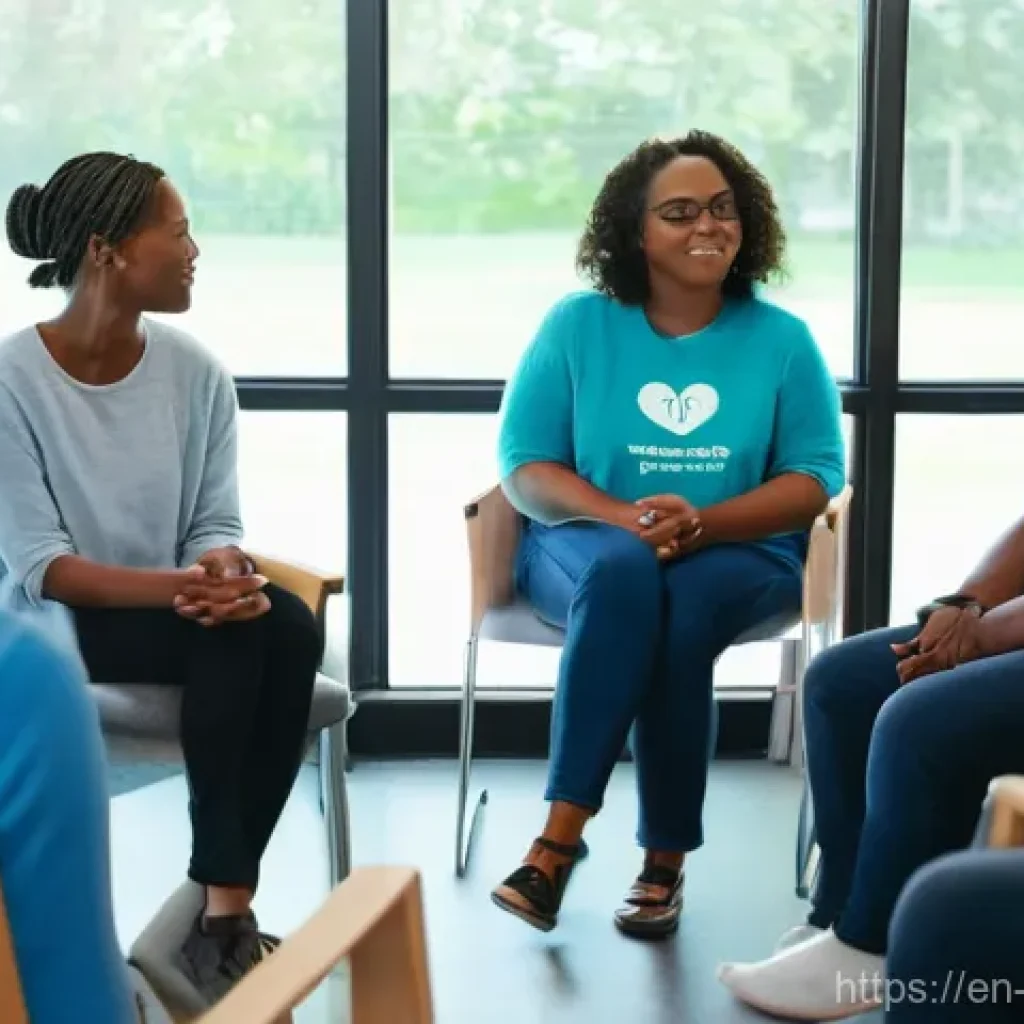
Modern victim support centers are on the cutting edge when it comes to therapeutic approaches. They often employ trauma-informed cognitive behavioral therapy (TF-CBT), eye movement desensitization and reprocessing (EMDR), and other evidence-based practices designed specifically for trauma recovery. What I find particularly impactful are the support groups. There’s something profoundly validating about sitting in a room with others who truly ‘get it’ – people who understand the nightmares, the triggers, the inexplicable bursts of anger or sadness. This shared experience fosters a sense of community and reduces the isolating feeling that so often accompanies trauma. It’s a place where you can share your story without judgment, learn from others’ coping mechanisms, and realize you are absolutely not alone in your struggle. This peer support can be just as powerful as individual therapy, providing a sense of belonging and mutual understanding that facilitates deeper healing.
Navigating the Aftermath: Practical and Legal Support
Beyond the emotional turmoil, the practicalities of being a crime victim can be utterly overwhelming. Think about it: dealing with police reports, insurance claims, court dates, and potentially even relocation or financial instability. It’s a mountain of administrative tasks that can feel insurmountable, especially when you’re already emotionally drained. This is where modern support centers truly shine, stepping in to offer crucial practical and legal assistance. They’ll help you understand your rights, connect you with legal aid, and even provide court accompaniment so you don’t have to face the intimidating legal system alone. From helping to fill out compensation forms to navigating victim notification systems, they act as an invaluable advocate. I’ve personally seen how much relief this takes off someone’s shoulders, allowing them to focus on their emotional recovery while the more daunting logistics are expertly handled. This practical safety net is essential for enabling a smoother transition back to normalcy, or at least a new normal.
Connecting the Dots: Outreach and Underserved Communities
One area where I’ve seen tremendous growth and dedication is in these centers’ efforts to reach underserved communities. For far too long, victim support has been less accessible to certain groups – whether due to language barriers, cultural stigmas, lack of awareness, or geographical distance. I often think about how crucial it is that everyone, regardless of their background or circumstances, has access to these vital resources. Modern centers are actively working to dismantle these barriers, engaging in proactive outreach programs, setting up satellite offices in remote areas, and partnering with community leaders to build trust. They’re developing culturally sensitive materials and employing staff who reflect the diverse communities they serve. This commitment to inclusivity ensures that support isn’t just available, but that it’s also relevant and approachable for everyone who needs it. It’s about building bridges, one community at a time, so that no one is left behind in their journey toward healing and justice.
Tailored Support for Diverse Backgrounds
It’s truly inspiring to see how these centers are adapting their services to meet the specific needs of various groups. This isn’t just about translating brochures; it’s about understanding the unique cultural contexts, historical traumas, and systemic barriers that might prevent certain individuals from seeking help. For example, support for immigrant communities might include assistance with visa issues related to crime, while services for LGBTQ+ individuals might focus on addressing specific forms of hate crime and discrimination. I once heard a survivor from a marginalized community express how, for the first time, she felt truly seen and heard by the support staff, not just as a victim of crime, but as a whole person with a unique life experience. This level of tailored, empathetic care makes all the difference in building trust and fostering effective recovery. They are breaking down the traditional one-size-fits-all model and replacing it with something far more nuanced and effective.
Bridging the Gap: Digital and Mobile Innovations
In our increasingly connected world, victim support centers are leveraging technology to extend their reach even further. This is a game-changer, especially for those in rural areas or individuals who might feel hesitant to visit a physical location. I’ve seen centers implement secure online counseling platforms, confidential chat services, and even mobile advocacy units that can travel to communities. These digital innovations mean that help is quite literally at your fingertips, making support more accessible and immediate than ever before. For someone struggling with anxiety or agoraphobia after a traumatic event, the ability to connect with a therapist from the safety of their own home can be absolutely invaluable. It’s about meeting people where they are, physically and emotionally, and ensuring that geographical or psychological barriers don’t stand in the way of essential care. This forward-thinking approach truly underscores their commitment to innovation and accessibility.
The Power of Prevention: Educating and Empowering Communities
While supporting victims is paramount, modern centers are also deeply invested in the long game: crime prevention. This might seem like a diversion, but it’s fundamentally connected. By educating communities, raising awareness about various forms of crime, and empowering individuals with safety strategies, these organizations contribute significantly to reducing future victimizations. I’ve attended workshops organized by these centers that focused on everything from recognizing red flags in relationships to digital safety and self-defense basics. It’s about shifting from a purely reactive model to a proactive one, equipping people with the knowledge and confidence to protect themselves and their loved ones. This isn’t about fostering fear, but rather fostering informed caution and community vigilance. It’s a testament to their holistic vision – not just healing the wounds, but working towards a future where fewer wounds are inflicted in the first place. The impact of these educational programs ripples through entire communities, creating a more informed and safer environment for everyone.
Community Engagement and Awareness Campaigns
One of the most effective ways centers engage in prevention is through robust community engagement and awareness campaigns. They work with local schools, businesses, and community groups to host seminars, distribute informative materials, and facilitate discussions on critical topics like domestic violence, sexual assault, and fraud. I’ve personally seen how these campaigns break down stigmas and encourage open dialogue, which is crucial for early intervention and prevention. By raising awareness, they empower potential victims to recognize dangerous situations and seek help sooner, while also educating bystanders on how to safely intervene. These campaigns are vital for creating a culture where crime is not tolerated, and where support for victims is understood and readily available. They transform abstract concepts of safety into tangible, actionable knowledge that can save lives and prevent countless instances of suffering. It’s about making sure everyone is on the same page when it comes to personal and community safety.
Youth Programs and Early Intervention
Investing in youth is another cornerstone of modern crime prevention efforts. Many centers run specialized programs aimed at educating young people about healthy relationships, consent, online safety, and conflict resolution. I believe this early intervention is incredibly powerful, as it helps mold future generations who are more empathetic, respectful, and less likely to become perpetrators or victims of crime. These programs provide safe spaces for young people to discuss difficult topics, ask questions, and develop crucial life skills that promote safety and well-being. It’s about breaking cycles of violence and trauma before they even begin. By instilling these values and practical tools at a young age, these centers are not just preventing future crimes, but they are also building a foundation for a more peaceful and just society. It’s truly a long-term investment in the health and safety of our communities, ensuring that our children grow up with a better understanding of boundaries and respect.
The Evolution of Care: Trauma-Informed Approaches
The term “trauma-informed care” might sound like jargon, but believe me, it’s a game-changer in how support is delivered. It means that every single interaction, every policy, and every procedure within these centers is designed with an understanding of how trauma impacts individuals. It’s not just about asking “What’s wrong with you?” but fundamentally shifting to “What happened to you?” This perspective acknowledges the pervasive impact of trauma and focuses on creating environments that are physically and emotionally safe. I’ve heard counselors explain how understanding a person’s trauma history helps them avoid re-traumatization – those accidental triggers that can set a survivor back. It shapes everything from the tone of voice used by staff to the physical layout of waiting rooms, ensuring a sense of calm and control for clients. This holistic, empathetic approach truly underpins the effectiveness of modern victim support, making it far more impactful than traditional models. It’s about building trust and ensuring that the healing journey is as smooth and supportive as possible, minimizing any further distress along the way.
Understanding the Pillars of Trauma-Informed Care
Trauma-informed care is built on a few core principles that are, in my opinion, revolutionary in their simplicity and effectiveness. These include safety, trustworthiness, peer support, collaboration, empowerment, and cultural, historical, and gender issues. Safety, for instance, isn’t just about physical security; it’s about creating psychological safety where survivors feel comfortable enough to share their experiences without fear of judgment or re-traumatization. Trustworthiness involves clear communication and consistency, building a reliable relationship between the survivor and the support staff. I often think about how crucial collaboration is – ensuring that survivors are active participants in their own recovery plan, rather than passive recipients of care. Empowerment, as we discussed, is about restoring agency. These pillars create a robust framework that truly prioritizes the survivor’s well-being and autonomy. When these principles are consistently applied, the healing environment becomes incredibly effective, allowing individuals to truly engage in their recovery with confidence.
Impact on Long-Term Healing and Trust
The long-term impact of trauma-informed care is genuinely profound. By systematically addressing the core effects of trauma in a respectful and understanding manner, these centers help survivors achieve more sustainable healing. When someone feels safe, respected, and empowered within a support system, they are far more likely to engage consistently with therapy and advocacy. This, in turn, leads to better long-term mental health outcomes, improved coping skills, and a stronger sense of self-worth. I’ve seen individuals who, after years of struggling, finally find their path to recovery within these frameworks. It also builds immense trust, not just in the individual counselors or advocates, but in the entire system of support. This trust is crucial because it encourages more people to come forward and seek help, ultimately strengthening the entire community’s ability to respond to and heal from the effects of crime. It’s a virtuous cycle that uplifts everyone involved.
Beyond the Individual: Advocating for Systemic Change

It’s easy to focus solely on individual recovery, and that’s absolutely vital, but modern victim support centers have a broader vision too. They understand that while individual healing is essential, many of the issues faced by survivors are rooted in systemic problems. Because of this, they often play a crucial role in advocating for policy changes, improved legislation, and greater community resources. I’ve observed their tireless work in pushing for stronger victim rights, better funding for support services, and more effective justice system responses. They’re not just helping individuals navigate the existing system; they’re actively working to make that system better for everyone. This advocacy work might not always be visible, but its impact is far-reaching, creating a more just and supportive environment for all victims of crime. It’s about tackling the root causes and creating a society where such injustices are less likely to occur, and where recovery is more readily achievable for everyone who needs it.
Influencing Policy and Legislative Reforms
The advocacy arm of victim support centers is incredibly powerful. They collect data, share survivor stories (with consent, of course), and present compelling arguments to lawmakers and policymakers. They push for things like increased funding for victim compensation programs, improved protections for witnesses, and more comprehensive training for law enforcement and legal professionals on trauma-informed responses. I’ve been fascinated by how they bridge the gap between individual experiences and broader policy. For instance, if multiple survivors report similar issues with a particular aspect of the justice system, these centers can aggregate that feedback and use it to advocate for specific reforms. This ensures that the voices of survivors are not just heard, but actively contribute to shaping a more empathetic and effective legal and social framework. It’s a powerful testament to their commitment to creating lasting, positive change.
Building Stronger Partnerships for Greater Impact
No single organization can tackle the complex issues surrounding crime and victim recovery alone. This is why modern victim support centers are experts at forging strong partnerships. They collaborate with law enforcement agencies, hospitals, mental health providers, legal aid organizations, and other community groups. This collaborative approach creates a seamless web of support for survivors, ensuring that they can access a wide range of services without having to navigate a fragmented system themselves. I’ve seen how these partnerships lead to innovative programs, shared resources, and a more coordinated community response to crime. For example, a partnership with a local hospital might mean that victims of assault receive immediate access to trauma counseling alongside medical care. This interconnectedness truly amplifies their impact, demonstrating that by working together, we can build more resilient, supportive communities. It’s a strategic approach that maximizes resources and ensures comprehensive care for those who need it most.
Empowering Self-Care: Sustaining Well-being Post-Trauma
While external support is absolutely crucial, these centers also place a huge emphasis on empowering individuals to develop their own self-care strategies. The journey of healing is a marathon, not a sprint, and sustaining well-being long-term requires active participation from the survivor. I’ve heard many counselors emphasize the importance of building a personal toolkit for managing stress, triggers, and emotional fluctuations. This might include mindfulness practices, exercise, creative outlets, or simply carving out dedicated time for relaxation. It’s about recognizing that self-care isn’t a luxury; it’s a non-negotiable component of recovery. They help survivors identify what works best for them, fostering a sense of personal responsibility and agency in their ongoing healing process. This focus on self-empowerment ensures that even after formal support concludes, individuals have the skills and resources to continue nurturing their own mental and emotional health. It’s about cultivating resilience that lasts a lifetime, giving people the tools to navigate future challenges with greater confidence.
Building a Personalized Wellness Toolkit
Every survivor’s path is unique, and so is their ideal self-care routine. These centers guide individuals in exploring various techniques and finding what resonates most with them. For some, it might be journaling their thoughts and feelings; for others, it could be engaging in gentle yoga or meditation. I’ve seen many find solace in connecting with nature, or rediscovering hobbies they once loved but had abandoned due to their trauma. The key is personalization – there’s no right or wrong way to care for yourself, only what works for you. They help survivors understand their triggers and develop proactive strategies to cope with them, rather than reacting passively. This might involve creating a “safety plan” for moments of intense distress or identifying a strong support network of friends and family. It’s about building a robust, personalized defense mechanism against the lingering effects of trauma, ensuring that individuals feel equipped and capable of managing their own well-being moving forward. This proactive approach fosters incredible self-reliance.
Long-Term Support and Follow-Up
While many interventions have a defined end, modern victim support centers understand that healing isn’t linear and often requires ongoing check-ins. Many offer follow-up support, alumni groups, or resources for continued engagement long after intensive therapy concludes. This acknowledges that setbacks can happen, and having a reliable point of contact for continued guidance is invaluable. I’ve found that this long-term perspective is incredibly reassuring for survivors, knowing that they aren’t just cut loose once their initial therapy sessions are over. It provides a safety net, a reassuring presence that reminds them they are not alone, even years down the line. This commitment to sustained well-being underscores their profound dedication to comprehensive care. It’s about building relationships that extend beyond the immediate crisis, fostering a sense of enduring community and support for as long as it’s needed.
The True Impact: Stories of Resilience and Hope
Behind every statistic, every program, and every policy change, there are real people whose lives have been profoundly touched by these centers. These are the stories of incredible resilience, courage, and hope that truly showcase the immense value of modern victim support. I’ve had the privilege of witnessing transformations that are nothing short of miraculous – individuals who, after unimaginable trauma, have not only recovered but have gone on to thrive, become advocates themselves, and inspire others. It’s a powerful reminder that even in the darkest of times, light can be found, and healing is always possible with the right support. These stories aren’t just anecdotes; they are testaments to the human spirit’s capacity to overcome adversity, and to the vital role these dedicated professionals play in nurturing that spirit. They are the living proof that a thoughtful, holistic, and empathetic approach to victim support can indeed change lives, one person at a time, echoing through families and communities for generations.
From Victim to Advocate: Finding a New Purpose
One of the most moving aspects of observing these centers’ work is seeing survivors transition from receiving help to giving back. Many individuals, once they have found their own healing, feel a profound desire to help others navigating similar struggles. They might volunteer at the centers, share their stories to inspire hope, or even pursue careers in victim advocacy or social work. I’ve met individuals who have become powerful voices for change, using their lived experience to inform policy and support initiatives. This journey from victim to advocate is a testament to the transformative power of comprehensive support. It shows that trauma doesn’t have to be the end of the story; it can be a catalyst for a new beginning, a renewed sense of purpose, and a powerful drive to create positive change in the world. It’s truly incredible to witness this full circle of healing and empowerment, where those who were once helped become the helpers themselves, creating a ripple effect of compassion and strength.
The Ripple Effect: Strengthening Communities
The impact of effective victim support extends far beyond the individual survivor. When one person heals, it sends ripples of positive change throughout their family, their social circles, and their broader community. Healthier individuals contribute to healthier communities – reducing cycles of violence, improving public safety, and fostering a greater sense of collective well-being. I believe that investing in victim support isn’t just an act of compassion; it’s a strategic investment in the fabric of our society. By addressing the trauma caused by crime, we are building stronger, more resilient communities that are better equipped to face future challenges. These centers are not just fixing problems; they are building foundations. They are nurturing the kind of empathetic, understanding, and supportive environment where everyone has the opportunity to thrive, regardless of the hardships they may have endured. It’s a holistic approach that truly elevates the human spirit and fortifies our shared sense of humanity and collective responsibility.
Key Services Offered by Modern Victim Support Centers
Understanding the breadth of services available can sometimes feel overwhelming, but it’s crucial for anyone seeking help or wanting to understand the full scope of what these centers provide. From the immediate aftermath to long-term recovery, their support network is designed to be comprehensive and adaptive to individual needs. What truly sets them apart, in my experience, is their integrated approach, recognizing that different people require different types of assistance at various stages of their healing journey. They really think about the ‘whole person’ and all the challenges that might pop up along the way. I’ve often seen how survivors initially come in for one specific issue, perhaps legal aid, but then discover a whole suite of other services, like counseling or financial assistance, that they didn’t even realize they needed until it was offered in a supportive, non-judgmental way. This layered approach ensures that every base is covered, making the path to recovery less daunting.
| Service Category | Description | Examples of Assistance |
|---|---|---|
| Crisis Intervention | Immediate support for emotional and physical safety after a traumatic event. | 24/7 hotlines, emergency shelter referrals, emotional first aid, safety planning. |
| Therapeutic Counseling | Professional mental health services focused on processing trauma and developing coping mechanisms. | Individual and group therapy (e.g., CBT, EMDR), art therapy, family counseling. |
| Advocacy & Legal Support | Assistance navigating the criminal justice system and understanding legal rights. | Court accompaniment, legal aid referrals, victim compensation application help, police report assistance. |
| Practical Assistance | Help with immediate and long-term needs related to the crime’s impact on daily life. | Emergency funds, housing assistance, relocation support, job search aid, transportation. |
| Information & Referrals | Connecting survivors with other essential community resources and educational materials. | Referrals to medical care, social services, support groups, educational workshops. |
| Community Outreach | Proactive engagement to reach underserved populations and raise awareness. | Mobile units, culturally specific programs, language services, educational presentations. |
The Importance of a Seamless Referral Network
One aspect I cannot stress enough is how critical a robust referral network is to the success of these centers. No single organization can be an expert in everything, and recognizing this, modern victim support centers have built incredibly intricate networks with other service providers. This means that if a survivor needs specialized medical care that the center can’t directly provide, they have established relationships with trusted doctors, hospitals, or specialists to ensure a smooth transition. I’ve seen this in action, where a survivor needing a specific type of housing assistance was immediately connected to a local housing authority partner, saving them immense stress and time. This seamless integration of services ensures that individuals receive comprehensive care without falling through the cracks, making their healing journey far less fragmented. It’s a testament to the collaborative spirit that truly defines effective victim support today, proving that strength lies in unity and cooperation among various agencies and professionals.
Empowering Through Knowledge and Resources
Knowledge is truly power, especially when you’re trying to reclaim control after a traumatic event. These centers are fantastic at providing survivors with clear, accessible information about their rights, the legal process, available compensation, and various coping strategies. I’ve often heard survivors express how much relief they feel just by understanding what comes next, even if the path ahead is challenging. They provide resources that empower individuals to make informed decisions about their recovery and their engagement with the justice system. This isn’t about telling people what to do, but about equipping them with the tools and information to choose their own path forward. From brochures explaining court procedures in plain language to workshops on financial literacy after a crime, they ensure that survivors are never left in the dark. It’s a fundamental part of restoring autonomy and building confidence, ensuring that survivors feel equipped to navigate the complexities of their situation.
Closing Thoughts
As we wrap up this deep dive into the incredible world of victim support, I truly hope you’ve gained a clearer picture of just how transformative these centers are. It’s more than just providing help; it’s about restoring faith, rebuilding lives, and reminding us all of the profound strength of the human spirit. Seeing the dedication of the people who work tirelessly in this field, and the remarkable resilience of those they serve, genuinely reinforces my belief that even after the darkest moments, there is always a path forward, always a chance to heal and thrive. This journey of healing isn’t easy, but with the right support, it’s undeniably possible.
Useful Information to Know
1. Reach Out Early: If you or someone you know has been a victim of a crime, don’t hesitate to seek support immediately. Early intervention can significantly impact the healing process and ensure you receive crucial assistance from the outset, from emotional first aid to practical next steps.
2. Your Rights Matter: Understand that as a victim, you have specific rights that vary by location (e.g., state in the US, country). Victim support centers are experts at helping you navigate these, from compensation claims to protections within the justice system, ensuring your voice is heard and respected.
3. Healing Isn’t Linear: Be kind to yourself throughout the recovery journey. There will be good days and challenging days, and that’s perfectly normal. Comprehensive support acknowledges this and provides consistent, patient guidance without judgment, recognizing that healing is a deeply personal and often unpredictable process.
4. Beyond Crisis: Long-Term Support: Modern victim support extends far beyond immediate crisis intervention. Many centers offer long-term counseling, advocacy, and follow-up resources, so remember that help doesn’t suddenly disappear once the initial shock wears off, providing a crucial safety net for sustained well-being.
5. Community is Key: Connecting with others who understand your experience, whether through support groups or community programs, can be incredibly validating and empowering. Sharing stories and coping strategies fosters a sense of belonging and reminds you that you are absolutely not alone in your journey toward recovery and reclaiming your life.
Key Takeaways
The landscape of victim support has evolved dramatically, shifting from a reactive crisis response to a holistic, trauma-informed approach that centers on the survivor’s entire well-being. What I’ve seen is that these centers are truly multifaceted, offering everything from immediate crisis intervention and specialized mental health therapies, like EMDR and TF-CBT, to crucial practical and legal assistance that takes a huge burden off individuals already grappling with immense emotional stress. They actively work to empower survivors, helping them regain control and agency, not just over their circumstances, but over their narrative. Crucially, they’re not just about individual healing; they extend their impact by engaging in robust community outreach, particularly to underserved populations, ensuring that support is accessible and culturally relevant to everyone who needs it, regardless of their background or situation. Furthermore, a significant part of their mission includes proactive crime prevention through community education and youth programs, aiming to build safer environments for future generations. This blend of direct support, systemic advocacy, and preventative work underscores a deep commitment to not only mending lives but also fostering resilience and creating a more just and empathetic society. It’s a testament to their unwavering dedication to comprehensive care and building a future where victims become empowered survivors, and communities are stronger for it.
Frequently Asked Questions (FAQ) 📖
Q: What exactly do modern crime victim support centers offer beyond just therapy?
A: That’s a fantastic question, and one I hear a lot! When most people think of victim support, their minds often jump straight to counseling, which is definitely a crucial part of the puzzle.
But believe me, what’s available today goes so much further than just sitting down for a chat. These centers are really evolving into incredible hubs of holistic support, understanding that recovering from crime impacts every facet of your life.
I’ve seen firsthand how they offer everything from immediate crisis intervention, like a 24/7 hotline that’s a true lifeline when you feel utterly lost, to practical assistance that can make a huge difference.
Think about it: after a traumatic event, you might suddenly need help with emergency housing, navigating victim compensation programs to cover medical bills or lost wages, or even just getting safe transportation.
They also provide vital legal advocacy, which isn’t about forcing you into court, but rather helping you understand your rights, prepare for legal proceedings if you choose to go that route, or even assisting with restraining orders.
Some even have specialized programs, like canine advocacy for comfort during difficult processes or community outreach initiatives that specifically connect with underserved communities.
It’s truly comprehensive support designed to help you rebuild your life, not just cope with the immediate aftermath.
Q: I’m worried about confidentiality and the legal process. Will reaching out mean I have to report the crime or go to court?
A: This is such a common and valid concern, and it’s absolutely essential to address. From my experience, one of the biggest misconceptions out there is that contacting a victim support center automatically means you’re signing up for the criminal justice system.
Let me be super clear: that’s generally not the case at all. These centers prioritize your safety and your autonomy above all else. The services they offer, especially those from victim advocates, are typically free and confidential.
What you share with an advocate is usually protected, meaning they can’t disclose it without your explicit, informed, and written consent. There are very few exceptions, like an immediate emergency, but your decision to share information is yours alone.
Their role is to provide you with options and support, whether you decide to report the crime to the police, pursue legal action, or not. You are in control.
The legal advocacy they offer is there to inform you of your rights and empower your choices, not to push you into anything you’re not ready for. It’s about creating a safe space where you can explore what happened and what your next steps might be, without any pressure.
Q: How can these centers truly help with the long-term, invisible wounds of trauma, even years after the event?
A: Ah, the invisible wounds – they’re often the trickiest and most persistent part of recovery, aren’t they? I’ve met so many people who carry the burden of trauma for years, sometimes decades, long after any physical injuries have healed.
Modern crime victim support centers are acutely aware of this, and they’ve really stepped up their game to provide sustained, specialized care. It’s not a “one-and-done” approach.
They understand that healing isn’t linear, and that debilitating symptoms like anxiety, depression, or PTSD can emerge or persist over time. That’s why many centers offer culturally competent, long-term mental health services, often utilizing evidence-based therapies like EMDR (Eye Movement Desensitization and Reprocessing), Cognitive Behavioral Therapy (CBT), or even creative therapies like art or music therapy.
These aren’t just buzzwords; these are tools designed to help you process trauma, build coping mechanisms, and reclaim your sense of safety and self. Beyond individual therapy, they often facilitate support groups where you can connect with others who truly “get it,” fostering a sense of community and reducing isolation.
Their goal is to decrease psychological distress, improve your quality of life, and truly promote post-traumatic growth, helping you adapt and thrive in your “new normal,” no matter how long it takes.