
When someone becomes a victim of crime, the road to recovery can be overwhelming and isolating. Thankfully, numerous support organizations are dedicated to providing emotional, financial, and legal assistance to those affected.
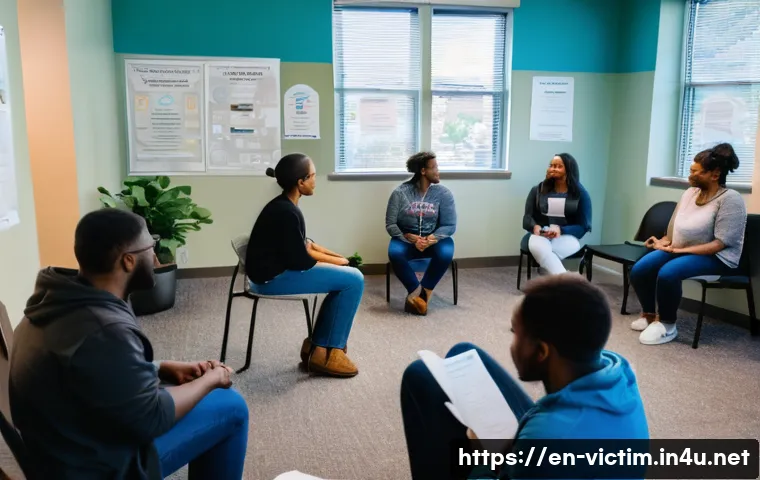
These groups play a crucial role in helping victims rebuild their lives and regain a sense of security. Understanding the resources available can make a significant difference in navigating such difficult times.
If you or someone you know is in need, knowing where to turn can offer hope and strength. Let’s dive deeper and explore exactly how these organizations make an impact.
Accessing Comprehensive Emotional Support
Immediate Crisis Counseling and Hotline Services
When someone experiences a traumatic event, the first step often involves seeking immediate emotional relief. Crisis hotlines staffed by trained counselors offer a lifeline, providing 24/7 support for victims feeling overwhelmed or unsafe.
From my own experience volunteering with such services, I’ve witnessed how simply talking to someone who listens without judgment can drastically reduce feelings of isolation and despair.
These hotlines are more than just phone numbers—they connect victims to resources tailored to their unique situations, often guiding them toward next steps like in-person therapy or support groups.
Long-Term Therapy and Peer Support Networks
While initial support is critical, the road to recovery is often a marathon, not a sprint. Many organizations facilitate ongoing counseling services, sometimes free or on a sliding scale, to ensure affordability.
Peer support groups also play a huge role—they create spaces where victims share experiences and coping strategies, fostering a sense of community. I’ve seen firsthand how participants in these groups regain confidence and trust, knowing others truly understand their journey.
This ongoing emotional scaffolding helps break the cycle of trauma and empowers victims to rebuild their sense of self.
Specialized Services for Diverse Needs
Not every victim’s experience is the same, so organizations often tailor emotional support to specific populations—such as survivors of domestic violence, human trafficking, or hate crimes.
Cultural competency and trauma-informed care are crucial here. For example, some groups offer bilingual counselors or services sensitive to LGBTQ+ identities.
When I accompanied a friend to a support center that specialized in immigrant survivors, the culturally aware approach made all the difference in making them feel seen and understood, accelerating their healing process.
Financial Assistance and Resource Navigation
Emergency Financial Aid for Immediate Needs
Victims often face sudden financial hardships, such as lost income or medical bills. Many support organizations provide emergency grants or vouchers for essentials like housing, food, and transportation.
I remember a case where a victim’s family was displaced after a violent crime; thanks to a victim assistance fund, they secured temporary housing and basic necessities within days.
This immediate relief prevents further destabilization and helps victims focus on recovery without the added burden of financial insecurity.
Guidance Through Compensation Programs
Navigating government victim compensation programs can be daunting, especially while coping with trauma. Support groups often have case managers or advocates who help victims file claims for medical expenses, counseling, and lost wages.
Their expertise ensures applications are accurate and timely, maximizing chances of approval. From my conversations with victims, having someone knowledgeable in their corner reduces stress and confusion, making a tough process more manageable.
Building Financial Literacy and Independence
Beyond immediate aid, some organizations offer workshops and coaching to help victims regain financial stability long-term. Topics like budgeting, credit repair, and employment readiness are common.
I’ve attended a few of these sessions myself and can attest to how empowering it is to regain control over one’s finances after trauma. This kind of support not only addresses material needs but also restores autonomy and confidence.
Legal Advocacy and Navigational Support
Understanding Victims’ Rights
Many victims are unaware of their legal rights or how to assert them effectively. Support organizations provide education about protections, such as restraining orders, confidentiality, and participation in criminal justice processes.
When I observed a victim advocate in action, their ability to clarify complex legal language and procedures was invaluable in helping the victim feel empowered rather than intimidated by the system.
Legal Representation and Court Support
Access to affordable or pro bono legal counsel can be a game-changer. Advocates often connect victims with attorneys who specialize in areas like domestic violence, sexual assault, or restitution claims.
Additionally, some organizations offer court accompaniment services, where a trained advocate attends hearings with the victim to provide emotional support and help navigate courtroom procedures.
This accompaniment lessens the sense of vulnerability many victims face during legal proceedings.
Assistance with Protective Measures and Safety Planning
Legal support also includes helping victims secure protective orders and develop personalized safety plans. These plans might involve changing locks, school notifications, or workplace accommodations.
I once helped a friend draft a safety plan with the help of a victim services organization, and the peace of mind it brought was palpable. Knowing there is a structured approach to maintaining safety greatly aids emotional recovery.
Community Outreach and Awareness Initiatives
Education Campaigns to Reduce Stigma
Many organizations dedicate resources to public education aimed at reducing stigma around victimization. Awareness campaigns help shift societal attitudes, encouraging victims to seek help without shame.
Through workshops, social media, and local events, these groups foster a culture of empathy and understanding. I’ve noticed how such efforts create ripple effects, making communities more supportive environments for survivors.
Training for Professionals and First Responders
Proper response from law enforcement, healthcare providers, and social workers is critical. Support organizations often provide specialized training to ensure these professionals handle cases with sensitivity and respect.
I recall attending a training session focused on trauma-informed interviewing techniques, which highlighted how crucial empathy and patience are during initial victim contact.
Such training improves outcomes and victim trust in the system.
Engagement with Policy and Legislative Advocacy
Beyond direct services, many groups advocate for policy changes to improve victim rights and resources. This might involve lobbying for increased funding, improved legal protections, or systemic reforms.
Being aware of these efforts helps victims and allies understand the broader context and contribute to meaningful change.
Coordination of Multidisciplinary Services
Integrated Care Models
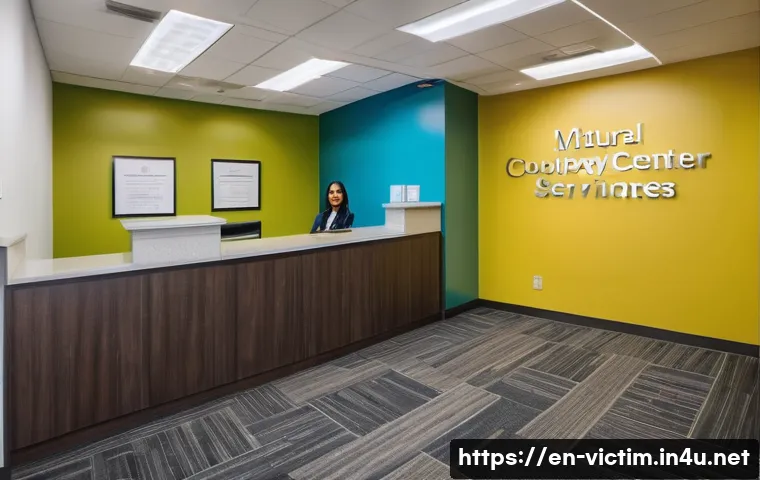
Some organizations operate as hubs that coordinate medical, psychological, legal, and social services under one roof or through strong partnerships. This integration prevents victims from having to navigate fragmented systems alone.
I’ve seen how this approach speeds up access to comprehensive care, reducing the burden on victims and improving recovery outcomes.
Case Management and Personalized Support
Dedicated case managers often serve as the victim’s main point of contact, creating individualized plans that address all aspects of their recovery. This personalized attention ensures no need goes unmet and that services are delivered in a cohesive, timely manner.
From my experience helping a survivor work with a case manager, the tailored support was instrumental in making steady progress.
Collaboration with Law Enforcement and Healthcare Providers
Effective victim support hinges on collaboration between different sectors. Organizations often facilitate communication between police, hospitals, and social services to ensure victims receive coordinated care and advocacy.
This teamwork prevents gaps and ensures victims are treated holistically.
Innovative Use of Technology in Victim Support
Online Counseling and Virtual Support Groups
Technology has expanded access to support through teletherapy and virtual peer groups. This is especially beneficial for victims in rural or underserved areas.
Personally, I found virtual support groups to be a convenient and comforting space, especially when in-person attendance wasn’t possible due to safety or mobility concerns.
These platforms maintain confidentiality and flexibility, helping more victims connect and heal.
Mobile Apps for Safety and Resource Access
Several organizations have developed mobile applications that provide safety planning tools, emergency contact features, and directories of local services.
Using an app can empower victims to take immediate action when needed. I once recommended a safety app to a friend, and she told me it gave her a sense of control she hadn’t felt since her assault.
Data-Driven Approaches for Tailored Services
Some groups leverage data analytics to identify trends, gaps, and the most effective interventions. This evidence-based approach helps tailor services to community needs and improve outcomes.
Knowing that support is grounded in research and real-world feedback reassures victims that they’re receiving quality care.
| Type of Support | Examples of Services | Impact on Victims |
|---|---|---|
| Emotional Support | Crisis hotlines, long-term therapy, peer groups, culturally sensitive counseling | Reduces isolation, fosters healing, builds community, restores confidence |
| Financial Assistance | Emergency grants, compensation claims assistance, financial literacy workshops | Provides immediate relief, reduces stress, promotes independence |
| Legal Advocacy | Victims’ rights education, legal representation, court accompaniment, safety planning | Empowers victims, protects safety, eases legal navigation |
| Community Outreach | Awareness campaigns, professional training, policy advocacy | Reduces stigma, improves systemic response, drives legislative change |
| Multidisciplinary Coordination | Integrated care models, case management, collaboration with police and healthcare | Ensures comprehensive care, streamlines services, enhances recovery |
| Technology-Based Support | Online counseling, safety apps, data-driven program design | Increases accessibility, empowers victims, improves service quality |
Building Resilience Through Empowerment Programs
Skill-Building Workshops and Vocational Training
Many victims find renewed purpose and confidence through programs that teach new skills or offer job training. These initiatives not only provide practical tools for financial independence but also help restore a sense of agency.
I’ve seen individuals transform their outlook after completing such courses, feeling empowered to reclaim their futures.
Mentorship and Leadership Opportunities
Some organizations encourage survivors to become advocates themselves, offering mentorship roles or leadership training. This shift from victim to empowered leader fosters healing and community impact.
Knowing people who have walked a similar path and now lead change is incredibly inspiring and motivating for those still struggling.
Self-Care and Wellness Resources
Recognizing that healing encompasses mind, body, and spirit, many groups provide yoga, mindfulness sessions, and wellness workshops. These resources help victims manage stress and reconnect with their bodies in positive ways.
I personally found mindfulness practices invaluable during my own recovery phase, helping me stay grounded and hopeful.
Tailored Services for Youth and Vulnerable Populations
Child and Teen-Specific Counseling
Young victims require specialized care attuned to their developmental needs. Many organizations offer play therapy, school-based support, and family counseling to create safe spaces for youth to process trauma.
I’ve worked with counselors who emphasize building trust and resilience in children, which is essential for long-term healing.
Support for Survivors with Disabilities
Accessibility is critical—services must accommodate physical, sensory, and cognitive disabilities. Some organizations provide adaptive counseling methods, transportation assistance, and tailored safety planning.
Ensuring these victims are not overlooked is a vital component of inclusive support.
Resources for Marginalized Communities
Victims from marginalized groups—whether due to race, ethnicity, gender identity, or socioeconomic status—often face additional barriers. Support organizations strive to address these challenges through culturally responsive care and advocacy.
I’ve seen how inclusive environments build trust and encourage more victims to seek help, breaking cycles of silence.
Volunteerism and Community Engagement Opportunities
How Volunteering Can Enhance Recovery
For many survivors, becoming a volunteer is a powerful step in reclaiming their narrative. Helping others fosters purpose, connection, and healing. I’ve met countless survivors who credit volunteering with giving their lives new meaning and reducing feelings of helplessness.
Training and Support for Volunteers
Organizations invest in thorough training to prepare volunteers for the emotional demands of supporting victims. This not only protects volunteers but also ensures high-quality assistance.
Having experienced this training myself, I can say it instills confidence and equips volunteers with practical tools for effective engagement.
Community Events and Fundraising
Public events raise awareness and generate resources vital for sustaining support programs. Participating in or organizing such events creates solidarity and public commitment to victim support.
I recall attending a local walkathon that brought together survivors, advocates, and community members—a powerful reminder that no one has to face trauma alone.
Closing Thoughts
Providing comprehensive support for victims is essential in fostering healing and resilience. From immediate emotional aid to long-term empowerment, these services create a foundation for recovery and growth. It’s inspiring to see how personalized care and community engagement transform lives. Remember, no one has to face trauma alone—there is help and hope every step of the way.
Useful Information to Keep in Mind
1. Crisis hotlines offer 24/7 immediate emotional support, connecting victims to tailored resources and next steps for recovery.
2. Long-term therapy and peer groups build community and confidence, helping victims regain control over their healing journey.
3. Specialized services ensure culturally sensitive care for diverse populations, addressing unique needs effectively.
4. Financial assistance programs provide emergency aid and empower victims through financial literacy and independence training.
5. Technology enhances accessibility with online counseling, safety apps, and data-driven services that improve support quality.
Key Takeaways
Understanding the multifaceted nature of victim support is crucial—emotional, financial, legal, and community resources work together to promote recovery. Tailored services and coordinated care prevent victims from falling through the cracks, while empowerment programs and volunteer opportunities foster resilience and leadership. Embracing technology and advocacy efforts further strengthen these supports, ensuring victims receive compassionate, effective assistance that respects their unique experiences.
Frequently Asked Questions (FAQ) 📖
Q: What types of support can crime victim assistance organizations provide?
A: These organizations offer a wide range of support services tailored to the unique needs of victims. This includes emotional support like counseling and peer groups, financial aid to help cover expenses related to the crime, and legal assistance such as guidance through the justice system or help with restraining orders.
Many also provide resources for safety planning and connecting victims to community services, making the recovery process less daunting and more manageable.
Q: How can I find the right support organization after becoming a crime victim?
A: The best first step is to reach out to local or national victim assistance hotlines, which can quickly connect you to resources in your area. Many organizations have websites with detailed information on services and eligibility.
It’s also helpful to talk to law enforcement or healthcare providers, as they often have partnerships with support groups. Taking that initial step can feel intimidating, but I’ve seen firsthand how reaching out opens doors to valuable help and a network of understanding people.
Q: Is the support provided by these organizations confidential and safe?
A: Absolutely, confidentiality is a cornerstone of victim support services. These organizations prioritize your privacy and safety, ensuring that your information is protected unless you give explicit permission to share it.
They understand the sensitivity of your situation and create a secure environment where you can express yourself without fear. From my experience, knowing that your confidentiality is respected can make a huge difference in feeling comfortable enough to seek the help you deserve.