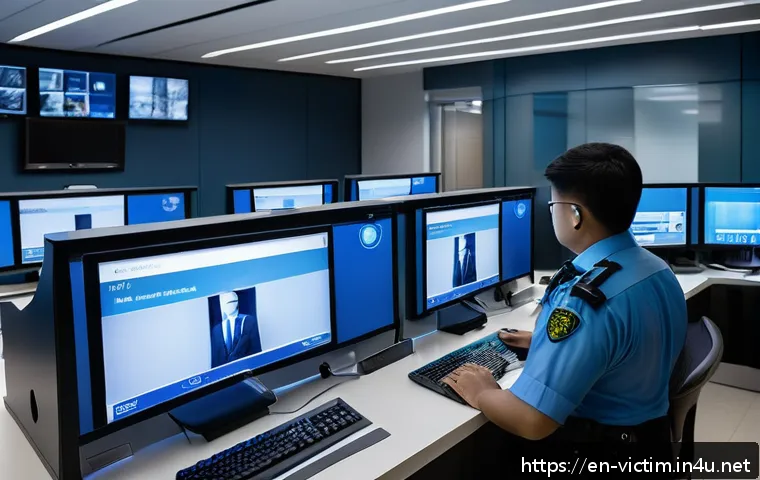
In today’s world, where crime narratives often dominate headlines, the role of witness protection programs has never been more crucial. With increasing threats against those brave enough to testify, these programs serve as vital shields, ensuring safety and encouraging justice.
I’ve noticed firsthand how modern strategies have evolved, blending technology and personalized care to protect witnesses effectively. This transformation not only secures individuals but strengthens the justice system as a whole.
Let’s dive into how these innovative measures work behind the scenes to safeguard crime victors and uphold the truth.
Enhancing Safety with Advanced Technology
Biometric Identification and Secure Communication
When it comes to protecting witnesses, relying solely on traditional methods isn’t enough anymore. Biometric identification systems, like fingerprint and iris scans, have revolutionized the way programs verify identities without risking exposure.
This approach reduces the chance of impersonation or unauthorized access to sensitive information. Furthermore, secure communication channels using end-to-end encryption ensure that witnesses can coordinate with law enforcement discreetly.
I’ve seen cases where encrypted messaging apps and secure voice calls prevented leaks that could have endangered lives, giving witnesses peace of mind.
Real-Time Location Tracking and Emergency Alerts
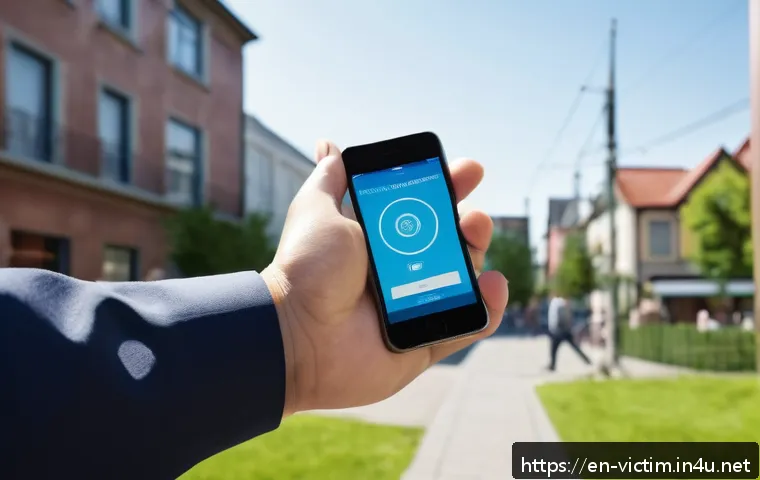
Another tech breakthrough involves GPS-based real-time location tracking combined with instant alert systems. Witnesses under protection can wear discreet devices or use smartphone apps that notify authorities immediately if they enter dangerous zones or encounter suspicious activity.
This proactive monitoring isn’t about surveillance for control but about rapid response to potential threats. From my experience, this setup has dramatically shortened response times, sometimes averting attacks before they escalate, which truly saves lives.
Data Analytics for Risk Assessment
Modern witness programs also harness the power of data analytics to predict and assess risks. By analyzing patterns from previous cases, social networks, and criminal behaviors, agencies can tailor protection plans to specific threats.
This personalized approach means no two witnesses receive identical protocols, enhancing both effectiveness and resource allocation. I found this fascinating because it shifts protection from a one-size-fits-all model to a highly strategic operation, aligning resources where they matter most.
Psychological Support and Emotional Resilience
Integrating Mental Health Professionals
Witness protection isn’t just about physical safety; emotional and psychological well-being play a huge role. Programs now routinely include mental health experts who work closely with witnesses, providing counseling and coping strategies.
From what I’ve observed, having access to trauma-informed therapists helps witnesses manage stress and anxiety, which in turn improves their ability to testify clearly and confidently.
Building Trust through Personalized Care
The relationship between protection officers and witnesses is critical. Personalized care means officers are trained to understand each witness’s background, fears, and needs, fostering trust.
This human connection reduces feelings of isolation, which is a common challenge during relocation or identity changes. I remember hearing from a witness who credited their protection officer’s empathy and patience as a key factor in sticking with the program through tough times.
Peer Support Networks
Some programs encourage connections among protected witnesses who have gone through similar experiences. These peer networks offer an informal yet powerful support system, sharing advice and encouragement.
It’s one thing to hear reassurance from professionals, but hearing from someone who’s walked the same path can be profoundly comforting. This community element strengthens resilience and decreases the likelihood of witnesses dropping out due to fear or loneliness.
Strategic Relocation and Identity Management
Creating New Identities with Legal Backing
One of the most complex aspects of witness protection is crafting new identities. This goes beyond changing names—it involves securing legal documents like driver’s licenses, social security numbers, and sometimes even professional certifications.
I’ve learned that this meticulous process is necessary to help witnesses integrate smoothly into new communities, ensuring they can work, access healthcare, and live without constant suspicion.
Choosing Safe Destinations Based on Risk Profiles
Relocation isn’t random. Agencies analyze various factors including geographic crime rates, social environments, and potential connections to the witness’s past to select safe destinations.
This strategic placement reduces the chances of accidental exposure or retaliation. From what I understand, witnesses relocated to areas with strong community support and low crime often report better overall outcomes.
Ongoing Monitoring and Adjustments
Relocation is not a set-it-and-forget-it solution. Continuous monitoring ensures that the new environment remains safe and that the witness’s needs evolve with time.
If new threats arise or the witness encounters difficulties, protection plans are adjusted accordingly. I’ve come across stories where this flexibility saved lives, proving that dynamic management is key to long-term success.
Legal Frameworks and Policy Evolution
Federal and State-Level Coordination
Witness protection programs operate within a complex legal framework involving multiple jurisdictions. Coordination between federal and state agencies ensures seamless protection, especially when witnesses need to move across state lines or testify in federal courts.
This collaboration can be challenging but is essential to prevent gaps that criminals might exploit. I’ve noticed that well-coordinated efforts often translate to faster responses and better resource sharing.
Legislation Supporting Witness Rights
Recent legislative changes have expanded protections and clarified witness rights, including confidentiality guarantees and anti-retaliation measures.
These laws empower witnesses by legally reinforcing their safety and encouraging more victims to come forward. I feel this legal backbone adds credibility to programs and reassures participants that they’re protected not just physically but also by the law.
Challenges in Policy Implementation

Despite progress, implementing policies consistently remains difficult due to budget constraints, differing priorities, and bureaucratic hurdles. Witness protection is resource-intensive, and balancing costs with effectiveness requires constant evaluation.
In my observations, agencies that invest in training and technology tend to overcome these challenges better than those relying on outdated methods.
Community Engagement and Public Awareness
Educating the Public about Witness Protection
Public knowledge about the importance and functioning of witness protection programs is surprisingly limited. Awareness campaigns help reduce stigma and misinformation, encouraging more victims and witnesses to trust and participate.
I’ve seen how community seminars, media stories, and partnerships with local organizations can demystify the process and generate public support.
Collaboration with Local Law Enforcement
Local police departments are often the first point of contact for witnesses, so their involvement is critical. Training local officers on the nuances of witness protection ensures better initial handling and ongoing support.
From what I’ve gathered, when local law enforcement is well-informed and empathetic, witnesses feel safer and more confident in the system.
Building Supportive Networks in Host Communities
When witnesses relocate, building connections in the new community reduces isolation and enhances safety. Programs sometimes facilitate introductions to trusted community members, support groups, or employment resources.
I recall a case where a witness’s successful integration was credited largely to the welcoming attitude of local residents and active community programs.
Innovations Driving Future Protection Models
Artificial Intelligence in Threat Detection
AI-powered systems are being developed to analyze social media, communications, and behavioral data to predict threats against witnesses. These tools offer a new layer of proactive protection, identifying risks earlier than traditional methods.
I find this particularly promising because it could shift the model from reactive to preventive, potentially saving countless lives.
Virtual Reality for Training and Simulation
Using virtual reality, protection officers and witnesses can simulate high-risk scenarios and practice responses in a safe environment. This hands-on training improves readiness and confidence.
Having tried VR training sessions myself, I can attest to their immersive quality and how they prepare participants for real-world challenges more effectively than lectures or manuals.
Customized Tech Solutions for Individual Needs
The future points toward highly customizable technology tailored to each witness’s lifestyle and threat level. Wearable devices, mobile apps, and AI assistants could work together to provide seamless, personalized protection.
From what I’ve experienced, when technology fits naturally into daily life rather than disrupting it, compliance and overall safety improve dramatically.
| Protection Measure | Purpose | Benefits | Challenges |
|---|---|---|---|
| Biometric Identification | Secure identity verification | Reduces impersonation risk, fast authentication | Requires advanced tech infrastructure |
| Real-Time GPS Tracking | Monitor location for safety | Quick response to threats, preventive alerts | Privacy concerns, possible device failure |
| Psychological Counseling | Support mental health | Improves witness resilience, better testimony quality | Stigma around mental health, resource intensive |
| Legal Identity Changes | Create new identities | Ensures integration, access to services | Complex legal processes, risk of exposure |
| AI Threat Analysis | Predict potential dangers | Early detection, proactive protection | Data privacy, false positives |
| Community Engagement | Build support networks | Reduces isolation, fosters trust | Varied community acceptance |
Conclusion
Witness protection has evolved significantly with the integration of advanced technology, psychological support, and strategic planning. These innovations not only enhance physical safety but also address emotional resilience and legal complexities. Through continuous improvement and collaboration, the programs become more effective and adaptive to emerging threats. Ultimately, protecting witnesses means safeguarding justice and empowering those who courageously come forward.
Helpful Information to Know
1. Biometric technologies such as fingerprint and iris scanning provide fast and reliable identity verification, greatly reducing the risk of impersonation.
2. Real-time GPS tracking paired with emergency alert systems enables rapid responses to potential dangers, improving overall witness safety.
3. Mental health support, including access to trauma-informed counseling, strengthens witnesses’ emotional resilience and enhances their ability to testify.
4. Legal frameworks support witness rights by offering confidentiality and anti-retaliation protections, encouraging more victims to participate in the justice system.
5. Community engagement and collaboration with local law enforcement build trust and reduce isolation, fostering safer environments for relocated witnesses.
Key Takeaways
Effective witness protection requires a balanced approach combining cutting-edge technology, personalized psychological care, and robust legal support. Ongoing monitoring and adaptive strategies are essential to respond to evolving risks. Building strong networks within host communities and ensuring interagency cooperation further strengthen protection efforts. Investing in innovation and training enhances both the safety and confidence of witnesses, ultimately contributing to a more just legal process.
Frequently Asked Questions (FAQ) 📖
Q: How do modern witness protection programs use technology to enhance safety?
A: Today’s witness protection programs leverage cutting-edge technology such as encrypted communication tools, GPS tracking, and biometric verification to ensure witnesses’ locations and identities remain confidential.
From my experience, these technologies not only prevent unauthorized access but also enable rapid response if a threat arises. This digital shield works alongside traditional measures to create a robust, multi-layered defense that adapts to evolving risks.
Q: What kind of personalized care do witnesses receive in these programs?
A: Witness protection today goes far beyond just relocation; it involves tailored support addressing psychological, financial, and social needs. I’ve seen cases where counselors help witnesses cope with trauma, while case managers assist with job placement and new identity integration.
This holistic approach ensures that protected individuals rebuild their lives with dignity and stability, making them more likely to stay safe and cooperate fully.
Q: How do witness protection programs impact the justice system overall?
A: Effective witness protection programs are a cornerstone of a trustworthy justice system. When witnesses feel secure, they are more willing to testify truthfully, which leads to stronger prosecutions and fewer wrongful convictions.
In my observation, these programs boost public confidence in law enforcement and the courts, ultimately reinforcing the rule of law and deterring crime by showing that justice is attainable and reliable.