
In today’s world, understanding the various forms of crime victimization is more important than ever as incidents continue to affect communities worldwide.

From cybercrime to physical assault, each type leaves unique scars that ripple through victims’ lives in profound ways. Recently, rising awareness around mental health has highlighted how deeply these experiences can impact emotional well-being.
If you’ve ever wondered how different crimes shape recovery and resilience, you’re in the right place. Let’s dive into the complexities behind victimization and explore how knowledge can empower healing and prevention.
Stick around—you’ll find insights that could change the way you view crime and its aftermath.
Unpacking the Emotional Toll of Different Crimes
How Cybercrime Affects Mental Health
Cybercrime might not leave physical bruises, but its psychological impact can be just as damaging. Victims often report feelings of violation, helplessness, and anxiety that linger long after the attack.
For example, identity theft can shatter one’s sense of security, leading to chronic stress and trust issues in daily interactions. I’ve seen friends struggle with paranoia after being hacked, constantly fearing their personal information might be misused again.
Unlike physical crimes, the invisible nature of cyber assaults makes it harder for victims to find closure, intensifying emotional distress and prolonging recovery.
The Lingering Shadows of Physical Assault
Physical assault is often associated with immediate trauma and visible injuries, but the emotional aftermath can be even more persistent. Survivors frequently wrestle with PTSD, depression, and a shattered sense of safety.
From my experience volunteering at a community center, many victims describe a profound change in how they perceive the world—simple activities like walking alone or being in crowded places can trigger intense fear.
The recovery journey involves not only healing wounds but rebuilding confidence, which requires time, patience, and often professional support.
Domestic Violence: A Complex Web of Trauma
Domestic violence victims endure a unique set of challenges due to the intimate nature of the abuse. Emotional manipulation, isolation, and physical harm combine to create a tangled web of trauma that’s difficult to escape.
I recall a survivor sharing how the constant fear and self-doubt made it nearly impossible to reach out for help. The psychological scars often include low self-esteem and difficulty trusting others, complicating the healing process.
Addressing these needs requires a comprehensive approach, blending safety planning with mental health care and community support.
Understanding the Layers of Victim Recovery
The Role of Support Systems
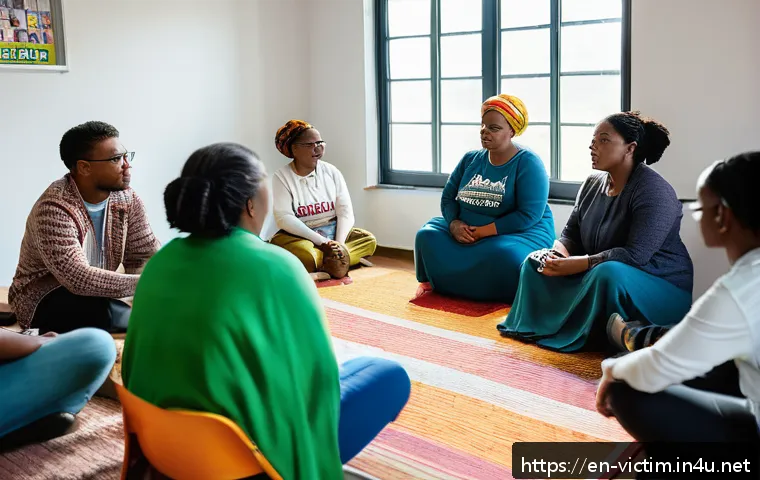
Strong support networks can make a world of difference in a victim’s recovery. Whether it’s family, friends, or support groups, having people who listen without judgment fosters resilience.
From what I’ve observed, victims who feel understood and validated tend to regain their footing faster. It’s not just about physical assistance but emotional encouragement that helps rebuild self-worth and hope.
Support systems also help victims navigate legal and medical processes, reducing feelings of overwhelm.
Therapeutic Approaches That Aid Healing
Various therapy models address the unique needs of crime victims. Cognitive Behavioral Therapy (CBT) is widely used to help reframe negative thought patterns, while Eye Movement Desensitization and Reprocessing (EMDR) targets trauma directly.
Personally, I’ve seen individuals transform through these therapies, moving from constant fear to empowerment. Access to specialized mental health services can significantly improve outcomes, yet barriers like stigma and cost remain hurdles for many.
Understanding these therapeutic options is crucial for anyone supporting a victim.
Resilience: The Unseen Strength
Resilience isn’t about forgetting the trauma but learning to live beyond it. Many victims discover inner strengths they never knew they had, often through creative outlets, advocacy, or helping others.
I once met a survivor who channeled her experience into writing, finding both healing and purpose. This transformation illustrates how recovery can evolve into a powerful narrative of growth and empowerment.
Encouraging resilience helps shift the focus from victimhood to survivorship, fostering long-term well-being.
Crime Types and Their Impact on Daily Life
Financial Crimes and the Burden of Loss
Financial crimes, such as fraud and embezzlement, impose heavy emotional and practical burdens. Victims often face not only monetary loss but also erosion of trust in institutions and personal relationships.
I remember a colleague who was scammed out of her savings; the stress affected her sleep, work performance, and family dynamics. The recovery involves both reclaiming financial stability and rebuilding confidence, a process that can take months or years depending on the severity.
Property Crimes: More Than Material Damage
While property crimes like burglary primarily result in loss of possessions, the psychological impact can be substantial. Feeling violated in one’s own home triggers anxiety and disrupts the sense of safety that’s fundamental to well-being.
From conversations I’ve had with victims, many report sleep disturbances and hypervigilance after break-ins. These reactions are natural but often underestimated, emphasizing the need for emotional support alongside material restitution.
Hate Crimes: The Dual Wound of Identity and Safety
Hate crimes uniquely target a person’s identity, magnifying emotional harm. Victims grapple not only with personal trauma but also fear for their community’s safety.
I recall attending a panel where survivors spoke about the compounded pain of feeling marginalized and unsafe simultaneously. This type of victimization often leads to collective trauma, prompting community-wide healing efforts alongside individual care.
Recognizing this dual impact is essential in crafting effective support strategies.
Key Factors Influencing Victimization Recovery
Timing and Access to Help
How quickly victims receive support can shape their recovery trajectory dramatically. Immediate access to counseling, legal aid, and medical care reduces long-term complications.
From experience, delays often exacerbate feelings of isolation and hopelessness, making it harder to regain control. Emergency response systems and victim services must prioritize swift outreach to mitigate these risks and foster early healing.
Personal Coping Styles
Everyone processes trauma differently—some may seek social connection, while others withdraw. Understanding personal coping mechanisms is vital to tailoring effective interventions.
In my work with survivors, those who engage actively in their recovery tend to build stronger resilience. However, maladaptive coping like substance abuse can hinder progress, highlighting the importance of professional guidance in navigating these challenges.
Cultural and Social Contexts
Cultural background influences how victims interpret and respond to crime. In some communities, stigma may prevent open discussion, while others emphasize collective healing.
I’ve seen how culturally sensitive approaches in victim services increase trust and engagement. Recognizing these nuances is key to creating inclusive support systems that honor diverse experiences and promote equitable recovery.
Comparative Overview of Crime Victimization and Recovery Challenges
| Crime Type | Emotional Impact | Common Recovery Challenges | Support Needs |
|---|---|---|---|
| Cybercrime | Violation, anxiety, trust issues | Invisible trauma, prolonged fear | Information security, counseling, legal aid |
| Physical Assault | PTSD, fear, depression | Rebuilding safety, managing triggers | Therapy, medical care, community support |
| Domestic Violence | Low self-esteem, isolation, fear | Trust rebuilding, safety planning | Safe housing, mental health services, advocacy |
| Financial Crime | Stress, loss of trust | Financial recovery, emotional stress | Financial counseling, legal support |
| Property Crime | Anxiety, feeling violated | Restoring sense of safety | Security measures, emotional support |
| Hate Crime | Identity trauma, fear for community | Dual personal and collective trauma | Culturally sensitive counseling, community programs |
How Awareness Shapes Prevention and Healing
Education as a Tool for Empowerment
Raising awareness about the nuances of victimization equips communities to better support survivors and prevent future crimes. Education fosters empathy and breaks down stigma, encouraging victims to seek help.
I’ve noticed that workshops and public campaigns create safer environments where open conversations about trauma become normalized. This proactive approach not only aids healing but also builds collective resilience.
Integrating Technology in Support Services
Innovations like online counseling, anonymous reporting apps, and AI-driven safety alerts are revolutionizing victim support. These tools increase accessibility and reduce barriers, especially for those hesitant to seek in-person help.
From what I’ve experienced, technology can bridge gaps in traditional services, offering timely assistance and personalized resources that adapt to individual needs.
Community Engagement and Policy Advocacy
Community involvement plays a crucial role in shaping policies that protect victims and enhance recovery options. Grassroots movements and survivor-led initiatives bring authentic voices to the table, influencing legislation and funding priorities.
I’ve been inspired by how collective advocacy can transform legal frameworks, ensuring victims receive comprehensive care and justice. Encouraging active participation strengthens the entire ecosystem of crime prevention and healing.
Conclusion
Understanding the emotional impact of different crimes is crucial for effective support and recovery. Each victim’s journey is unique, shaped by the type of crime and available resources. By fostering awareness and compassion, we can help survivors rebuild their lives with resilience and hope. Healing is a gradual process, but with the right support, recovery is possible for everyone.
Helpful Information to Keep in Mind
1. Early intervention and access to support services significantly improve recovery outcomes.
2. Emotional trauma from crimes can be as damaging as physical injuries, requiring comprehensive care.
3. Cultural sensitivity enhances trust and engagement in victim assistance programs.
4. Technology is playing an increasing role in making victim support more accessible and personalized.
5. Community involvement and advocacy are powerful tools in shaping effective prevention and recovery policies.
Key Takeaways
Crime affects victims on multiple levels, from emotional to practical challenges. Recovery depends on timely support, personalized coping strategies, and inclusive services that respect diverse backgrounds. Building strong support networks and promoting education can empower survivors and foster resilience. Recognizing the complexity of trauma helps create more effective healing environments and better prevention efforts overall.
Frequently Asked Questions (FAQ) 📖
Q: How do different types of crime victimization affect mental health?
A: Different crimes impact mental health in unique ways. For instance, victims of physical assault may experience PTSD, anxiety, or depression due to trauma and fear for personal safety.
Cybercrime victims often face stress related to privacy invasion and identity theft, which can lead to feelings of vulnerability and helplessness. Understanding these distinctions helps tailor support and therapy, making recovery more effective.
From my experience working with survivors, addressing emotional wounds alongside physical or financial damages is crucial for true healing.
Q: What are some effective ways to build resilience after experiencing a crime?
A: Building resilience after victimization involves a combination of emotional support, practical steps, and self-care. Connecting with support groups or counseling services can provide a safe space to process trauma.
Setting small, achievable goals helps regain control and confidence. I’ve noticed that victims who actively engage in their recovery—whether through therapy, mindfulness, or community involvement—tend to bounce back stronger.
Importantly, recognizing that healing is a gradual journey reduces frustration and fosters patience.
Q: How can understanding crime victimization improve community prevention efforts?
A: When communities comprehend the varied impacts of crime on victims, prevention strategies become more targeted and compassionate. For example, knowing that cybercrime victims often don’t report incidents due to embarrassment can lead to awareness campaigns encouraging openness and support.
Physical assault prevention can be enhanced by educating about risk factors and self-defense. Personally, I’ve seen how community programs that incorporate victim perspectives create safer environments and promote empathy, ultimately reducing repeat offenses and fostering solidarity.