
In today’s world, where headlines often spotlight the harsh realities of crime, it’s crucial to highlight the support systems quietly working behind the scenes.

State programs designed to assist crime victims are more than just safety nets—they are lifelines helping individuals reclaim their lives. Having seen firsthand how these initiatives can transform despair into hope, I’m excited to dive into how such resources empower survivors to heal and rebuild.
If you’ve ever wondered how justice extends beyond the courtroom, this exploration will shed light on the vital role of state support in fostering recovery and resilience.
Stick around to discover inspiring stories and practical insights that reveal the true power of these programs.
Accessing Emotional and Practical Support After Trauma
Immediate Crisis Assistance: What to Expect
When tragedy strikes, the first moments can feel overwhelmingly chaotic. Thankfully, many state programs offer immediate crisis intervention services designed to stabilize survivors emotionally and physically.
These services often include 24/7 hotlines staffed by trained counselors who provide compassionate listening and guidance. From my own experience volunteering at a local crisis center, I know how crucial these first contacts are—they can be the difference between isolation and the beginning of healing.
Additionally, some states deploy rapid response teams that connect victims directly with medical care, law enforcement support, and emergency shelter.
Understanding what’s available ahead of time can empower survivors to reach out when they need it most.
Long-Term Counseling and Mental Health Resources
The journey to recovery doesn’t stop once the immediate danger passes. Many programs extend support through long-term counseling, therapy sessions, and support groups tailored to specific types of trauma such as domestic violence, sexual assault, or property crimes.
Access to mental health professionals who specialize in trauma-informed care can dramatically improve outcomes, helping survivors regain confidence and rebuild trust in themselves and others.
In my conversations with survivors, the availability of consistent, understanding support often emerges as a pivotal factor in their progress. Plus, many programs offer these services at low or no cost, reducing financial barriers that can prevent people from seeking help.
Practical Assistance: Navigating Legal and Financial Challenges
Beyond emotional support, victims often face daunting legal and financial hurdles. State programs frequently provide advocacy services to help survivors understand their rights, navigate court processes, and apply for compensation or restitution.
For example, victim advocates might accompany survivors to hearings or assist with filing claims for crime victim compensation funds. On the financial side, some programs offer emergency funds for housing, medical bills, or lost wages.
From personal accounts I’ve heard, knowing there’s someone to guide you through these complex systems lightens an enormous burden and allows focus on healing.
Creating Safe Spaces: Shelter and Housing Solutions
Emergency Shelter Options for Immediate Safety
One of the most critical needs following victimization is a safe place to stay. Many state-run programs coordinate emergency shelters specifically for survivors fleeing dangerous situations like domestic abuse or human trafficking.
These shelters provide not only physical safety but also a supportive environment where survivors can access counseling, legal help, and life skills training.
In my visits to such facilities, I’ve seen how the combination of safety and community nurtures empowerment and hope. The confidentiality and security measures implemented are vital for survivors’ peace of mind during vulnerable times.
Transitional Housing: Bridging to Independence
After leaving an emergency shelter, survivors often need longer-term housing solutions to prevent returning to unsafe environments. Transitional housing programs offer temporary residences where individuals can rebuild stability while receiving ongoing support.
These programs typically include case management, job training, and childcare assistance, creating a holistic approach to recovery. From what I’ve gathered speaking with program coordinators, transitional housing is a cornerstone for many survivors’ successful reintegration into everyday life, helping them reclaim autonomy and plan for the future.
Permanent Housing Assistance and Beyond
Securing permanent, affordable housing can be a significant challenge, especially for those recovering from trauma. Some state initiatives partner with local housing authorities and nonprofits to provide rental assistance, subsidies, or homeownership opportunities tailored to survivors’ needs.
Additionally, housing programs often collaborate with mental health and employment services, recognizing that safe housing is a foundation for overall well-being.
Survivors I’ve connected with often highlight how having a stable home transformed their outlook and enabled them to focus on healing and growth.
Financial Relief and Compensation Programs
Crime Victim Compensation Funds Explained
Many states maintain compensation funds that reimburse victims for expenses related to the crime, such as medical bills, counseling costs, lost wages, and funeral expenses.
These programs do not replace criminal justice but aim to alleviate the financial burdens that can compound trauma. The application process usually requires documentation like police reports and medical records, and while not all expenses are covered, the relief provided can be substantial.
From my research and survivor stories, applying for these funds can be daunting, but advocates often assist to ensure victims don’t miss out on benefits.
Emergency Financial Assistance for Urgent Needs
Beyond formal compensation, some programs offer emergency grants or vouchers to help victims address immediate necessities like transportation, food, or utility payments.
These quick-response funds can prevent further crisis by stabilizing survivors during critical periods. I recall hearing about a survivor who used emergency assistance to pay for a bus ticket to a safer city—small but life-changing support.
Access to such funds is often contingent on proof of victimization and urgency, and many states streamline this process to reduce barriers.
Financial Literacy and Empowerment Services
Recovering financially after trauma often requires more than just emergency relief. Many programs now include financial literacy workshops, budgeting assistance, and credit counseling to empower survivors for long-term stability.
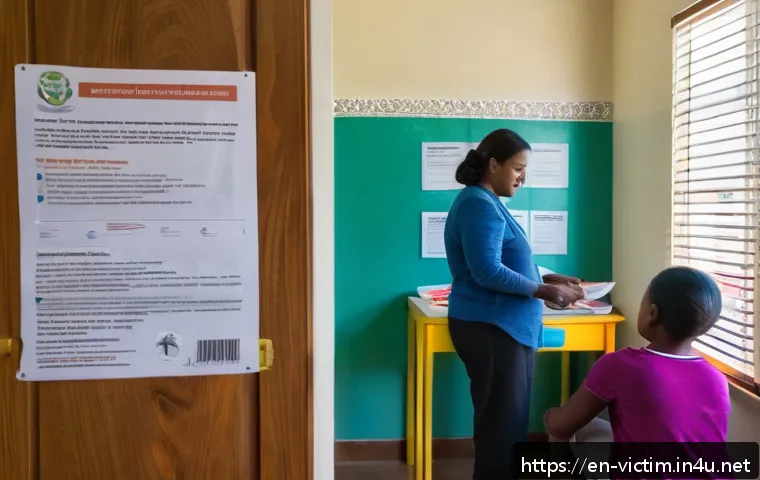
From personal observations, survivors who engage with these services report increased confidence in managing their finances and planning for the future.
These educational components complement direct aid and help break cycles of dependency and vulnerability.
Legal Assistance and Advocacy: Navigating Complex Systems
Understanding Victims’ Rights and Legal Protections
Knowing one’s rights can be a powerful tool for survivors navigating the criminal justice system. State programs often provide education on victims’ rights, including protections against retaliation, rights to privacy, and participation in the prosecution process.
I’ve witnessed how understanding these rights helps survivors feel more in control and less overwhelmed by the legal maze. Many programs distribute clear, accessible materials or hold workshops to demystify legal jargon and procedures.
Victim Advocates: Guiding Through Court and Beyond
Victim advocates play an indispensable role by accompanying survivors through court appearances, explaining procedures, and providing emotional support.
Their presence can ease anxiety and ensure survivors’ voices are heard. From talking to advocates, I learned that their work extends beyond the courtroom to connecting survivors with counseling, housing, and financial resources, making them a central hub of support.
The relationship built often becomes a lifeline in itself.
Legal Aid for Protection Orders and Civil Matters
In addition to criminal cases, survivors may need help obtaining protection orders or addressing civil issues such as custody, divorce, or housing disputes.
Many state programs partner with legal aid organizations to offer free or low-cost representation in these matters. This legal assistance can be crucial for ensuring safety and stability.
Survivors I’ve interviewed often emphasize how having competent legal support reduced the stress of these processes and helped secure their futures.
Community Reintegration and Peer Support Networks
Building Connections Through Support Groups
Isolation is a common aftermath of trauma, but peer support groups provide a space where survivors can share experiences, exchange coping strategies, and foster mutual encouragement.
These groups often focus on specific types of victimization or demographics, creating tailored environments of understanding. Based on my experience attending survivor circles, the sense of belonging and validation offered is invaluable, often sparking renewed hope and motivation.
Volunteer and Leadership Opportunities for Survivors
Many programs encourage survivors to become advocates or volunteers themselves, turning their experiences into powerful tools for change. Engaging in leadership roles can enhance self-esteem and provide a sense of purpose.
From stories I’ve heard, this transition from recipient to contributor transforms the healing journey, creating a ripple effect of empowerment within communities.
Educational and Vocational Support for New Beginnings
Rebuilding life often means gaining new skills or advancing education. State programs frequently offer scholarships, job training, and career counseling to help survivors regain independence.
I’ve met survivors who credit these opportunities with opening doors they thought were permanently closed. The integration of educational and vocational support ensures survivors don’t just survive but thrive.
Summary of Key State Support Services for Crime Victims
| Service Type | Description | Typical Benefits | Access Requirements |
|---|---|---|---|
| Immediate Crisis Assistance | 24/7 hotlines and rapid response teams providing emotional and physical stabilization | Emotional support, emergency medical care, shelter referrals | Victim of recent crime, contact through hotline or emergency services |
| Long-Term Counseling | Trauma-informed therapy and support groups tailored to victim needs | Improved mental health, coping skills, community connection | Proof of victimization, application through state victim services |
| Housing Solutions | Emergency shelters, transitional housing, permanent housing assistance | Safe living environment, stability, access to supportive services | Survivors fleeing unsafe situations, application via program intake |
| Financial Assistance | Victim compensation funds, emergency grants, financial literacy | Coverage of crime-related expenses, financial empowerment | Documentation of crime impact, income verification |
| Legal Advocacy | Victim advocates, legal aid for protection orders and court navigation | Legal protection, court support, understanding rights | Victim status, referral from victim services or legal aid |
| Peer Support and Education | Support groups, volunteer opportunities, educational/vocational training | Community connection, empowerment, skill development | Open to survivors, application or referral as needed |
In Conclusion
Recovering from trauma is a multifaceted journey that requires both emotional and practical support. State programs play a vital role in providing survivors with the resources they need to heal and regain stability. From immediate crisis intervention to long-term assistance, understanding these services can empower survivors to take the first step toward rebuilding their lives. Remember, help is available, and no one has to face recovery alone.
Helpful Information to Know
1. Crisis hotlines and rapid response teams are available 24/7 to provide immediate emotional and physical support during emergencies.
2. Long-term counseling and trauma-informed therapy significantly improve mental health outcomes and help survivors build resilience.
3. Emergency shelters and transitional housing offer safe environments crucial for survivors escaping dangerous situations.
4. Financial assistance programs can cover medical bills, lost wages, and urgent needs, easing the burden on victims.
5. Legal advocacy and victim rights education ensure survivors understand their protections and receive support navigating the justice system.
Key Takeaways
Accessing comprehensive support after trauma involves multiple layers: immediate crisis care, ongoing mental health services, safe housing options, financial relief, and legal assistance. Survivors benefit most when these services are coordinated and easily accessible. Peer support and empowerment initiatives also play a crucial role in fostering recovery and independence. Knowing what resources exist and how to access them can make a profound difference in the healing process.
Frequently Asked Questions (FAQ) 📖
Q: uestionsQ1: What types of assistance do state programs offer to crime victims?
A: State programs provide a range of support services tailored to the needs of crime victims. These often include financial aid for medical expenses and counseling, access to legal advocacy, help with housing or relocation if safety is a concern, and emotional support through victim advocacy groups.
From my experience, these programs are designed to address both immediate needs and long-term recovery, ensuring survivors don’t feel alone in their journey toward healing.
Q: How can someone access these state victim support programs?
A: Accessing these programs usually starts with contacting a local victim assistance office, law enforcement agency, or a community-based organization. Many states have dedicated hotlines or online portals where victims can apply for help confidentially.
In my observations, reaching out early can make a big difference, as it opens the door to timely resources that can ease the overwhelming aftermath of a crime.
Q: Do these programs guarantee justice or compensation for victims?
A: While state support programs do not guarantee legal outcomes, they play a crucial role in bridging gaps where the justice system alone might fall short.
They offer compensation funds to help cover losses not recovered through court proceedings, and provide guidance through the legal process. From what I’ve seen, the goal is to empower victims by giving them tools and resources that support both emotional and financial recovery, even when legal resolutions take time or are uncertain.